WhatsApp Automation: 2026 Guide for MENA Businesses

Introduction

WhatsApp automation for business is no longer optional in the MENA region. It is now the main channel where customers ask about prices, confirm bookings, and make buying decisions.

However, most businesses still manage conversations manually. As a result, response times are slow, opportunities are missed, and potential customers move to competitors.

This guide explains how WhatsApp automation for business works in 2026, and how MENA companies can use it to improve response speed, reduce workload, and increase conversions.


Why WhatsApp Automation for Business Is No Longer Optional

During peak hours, most businesses receive dozens of WhatsApp messages at the same time.

For example, a customer might ask about availability while your team is busy handling other conversations. Therefore, the reply is delayed. In many cases, the customer leaves before receiving a response.

In addition, high-intent customers expect fast replies. If they do not get one, they move on quickly.

Key Statistics

  • Average manual response time: 2 to 4 hours
  • Customer patience: less than 5 minutes
  • Automation improves response speed by up to 60%
  • AI reduces agent workload by up to 80%

Clearly, this is not just an operational issue. It directly impacts revenue.


Types of WhatsApp Automation for Business

Not all automation solutions offer the same level of performance. Therefore, it is important to understand the different types.

1. Basic Auto-Reply

This is the simplest form of automation.

  • Sends replies outside working hours
  • Requires no integrations
  • Limited functionality

However, it only solves a small part of the problem.


2. Template-Based Messaging

This method uses pre-approved templates.

  • Order confirmations
  • Appointment reminders
  • Notifications

These messages are reliable. However, they are one-way and do not support full conversations.


3. Flow-Based Chatbots

These bots follow a structured path.

For example:

  • Press 1 for pricing
  • Press 2 for support

They are useful for handling repetitive inquiries. However, they often feel rigid and lack flexibility.


4. AI-Powered Conversational Agents

This is the most advanced form of WhatsApp automation for business.

  • Understands natural language
  • Responds instantly
  • Uses your business data
  • Updates CRM automatically

As a result, conversations feel natural and scalable at the same time.


5. WhatsApp CRM Integration

Every interaction becomes structured data.

  • Contacts are created automatically
  • Deals are updated
  • Follow-ups are triggered

Therefore, no lead is lost and no conversation is forgotten.


How to Build a WhatsApp Automation for Business Flow

A successful system starts with planning, not tools.

Step 1 — Identify Top Inquiries

Review your recent conversations.

In most businesses, customers ask about:

  • Pricing
  • Availability
  • Booking
  • Order status
  • Support

These should be automated first.


Step 2 — Design the Flow

For each inquiry, define:

  • What the customer wants
  • What data you need
  • What the final outcome is

For example, the flow may end with a booking, a response, or a human handoff.


Step 3 — Write Natural Messages

Messages should feel human.

  • Keep them short
  • Avoid complex words
  • Match your brand tone

In addition, support both Arabic and English to serve MENA audiences effectively.


Step 4 — Connect to Real Systems

Automation becomes powerful when it connects to live data.

For example:

  • Inventory systems
  • CRM platforms
  • Booking tools

Static answers are not enough.


Step 5 — Define Human Handoff

Not every conversation should be automated.

For instance, you should transfer to a human when:

  • The customer is frustrated
  • The request is complex
  • The lead is high-value

This balance improves both efficiency and customer experience.


Step 6 — Measure and Improve

Track key metrics from the start.

  • Response time
  • Resolution rate
  • Customer satisfaction

Over time, these insights help you improve performance.


ConnectGain: WhatsApp Automation for Business Platform

ConnectGain by Appgain is built specifically for WhatsApp automation for business in MENA.

Core Features

AI Flow Builder
A visual interface that allows you to build automation without coding.

WhatsApp API Integration
Supports large-scale messaging, media, and interactive communication.

Unified Inbox
Manages conversations across multiple channels in one place.

AI Auto-Reply (RAG)
Answers customer questions using your real business data.

Broadcast Campaigns
Send targeted WhatsApp messages with tracking and segmentation.

Post-Call Follow-Up
Automatically send messages after calls without manual effort.


Use Cases by Industry

Real Estate

  • Qualify leads
  • Recommend properties
  • Schedule viewings

Tourism and Hospitality

  • Handle bookings 24/7
  • Check availability
  • Send confirmations

Healthcare

  • Book appointments
  • Send reminders
  • Handle patient inquiries

E-commerce

  • Recover abandoned carts
  • Send order updates
  • Automate returns

Financial Services

  • Qualify leads
  • Send document reminders
  • Manage follow-ups

Common Mistakes to Avoid

No Human Option

Customers should always be able to reach a real person.


Robotic Messages

Generic responses reduce trust and engagement.


No Arabic Support

Automation must support Arabic to work effectively in MENA.


No CRM Integration

Disconnected systems lead to lost data.


No Performance Tracking

Without data, you cannot improve or scale.


Getting Started

If you are still handling WhatsApp manually, you are limiting your growth.

With the right setup, WhatsApp automation for business can:

  • Improve response speed
  • Reduce workload
  • Increase conversions
  • Ensure consistent follow-ups

To learn more, visit:
https://appgain.io
📱 WhatsApp: +20 111 9985526
🌐 Website: https://appgain.io
📩 Email: ***@*****in.io“>He***@*****in.io


Conclusion

Customers already use WhatsApp to communicate with your business. Therefore, your ability to respond quickly determines whether you win or lose the deal.

WhatsApp automation for business is no longer a competitive advantage. It is a necessity.

SMS + WhatsApp Orchestration: How AI Agents Choose the Right Channel at the Right Time

In today’s hyper-connected world, choosing the right communication channel can make or break your customer engagement strategy. Modern marketing demands more than just blasting messages across multiple platforms—it requires intelligent orchestration between SMS and WhatsApp messaging to reach customers when and where they’re most receptive. This intelligent channel selection, powered by AI agents, is revolutionizing how businesses communicate with their audiences.

The Channel Selection Challenge

Marketers face a daily dilemma: should this message be an SMS or a WhatsApp message? The answer isn’t always straightforward and depends on numerous factors:

  • Message urgency and importance
  • Customer preferences and past behavior
  • Time of day and geographical location
  • Message content and formatting needs
  • Delivery confirmation requirements

Making the wrong choice can lead to ignored messages, customer frustration, or wasted marketing budget. This is where AI-powered channel orchestration becomes invaluable.

How AI Agents Make Channel Decisions

Modern AI agents don’t just automate messaging—they intelligently orchestrate the entire communication process by analyzing multiple data points:

1. User Behavior Analysis

AI systems track and analyze how users interact with different message types:

  • Open rates and response times across channels
  • Click-through rates on links in messages
  • Conversion rates following different message types
  • Time patterns showing when users are most responsive

2. Contextual Understanding

AI agents consider the context of each communication:

  • Transactional vs. promotional content
  • Time sensitivity of information
  • Previous interactions in the customer journey
  • Current stage in the sales funnel

3. Preference Learning

The AI continuously adapts to individual preferences:

  • Explicit preferences (opt-ins, settings)
  • Implicit preferences (engagement patterns)
  • A/B testing results across user segments

SMS vs. WhatsApp: When to Use Each

Understanding the strengths of each channel is crucial for effective orchestration.

When AI Chooses SMS

  • Universal Reach: When the recipient might not have WhatsApp installed
  • Critical Alerts: For time-sensitive information like verification codes or urgent alerts
  • Simplicity: When the message is brief and doesn’t require rich media
  • Regulatory Communications: For compliance-related messages that need guaranteed delivery

SMS remains unmatched in its ubiquity and reliability, making it ideal for critical communications that must reach every user regardless of smartphone ownership or internet connectivity.

When AI Chooses WhatsApp

  • Rich Content: When messages benefit from images, videos, or formatted text
  • Interactive Engagement: For conversations requiring back-and-forth communication
  • Cost Efficiency: For frequent communications with international users
  • Brand Experience: When a more polished, branded experience enhances the message

WhatsApp offers richer engagement possibilities and has become the preferred channel for personalized communications at scale, especially when building ongoing relationships with customers.

Real-World Orchestration Scenarios

Scenario 1: E-commerce Order Updates

An AI agent might orchestrate communications for an online purchase as follows:

  1. Order Confirmation: WhatsApp message with rich details (product images, order summary)
  2. Shipping Alert: SMS notification for immediate attention
  3. Delivery Preparation: WhatsApp message with delivery window and driver details
  4. Feedback Request: Channel selection based on previous engagement patterns

Scenario 2: Banking Communications

For financial services, the orchestration might look like:

  1. Transaction Alerts: SMS for immediate notification of account activity
  2. Statement Availability: WhatsApp message with secure download link
  3. Fraud Prevention: SMS for urgent verification needs
  4. Financial Advice: WhatsApp for personalized recommendations with visual aids

Implementing AI-Driven Channel Orchestration

Data Requirements

Effective channel orchestration requires comprehensive data:

  • Customer profile information
  • Historical engagement metrics
  • Channel performance analytics
  • Contextual data (time, location, device)

Technical Implementation

Building an effective orchestration system requires:

  1. Integration with both SMS and WhatsApp Business APIs
  2. Machine learning models trained on engagement data
  3. Real-time decision engines
  4. Feedback loops for continuous improvement

Companies looking to implement sophisticated AI agents should consider architecting their own agent infrastructure to fully customize the decision-making process.

Measuring Success

The effectiveness of channel orchestration should be measured through:

  • Engagement rates across channels
  • Conversion improvements
  • Customer satisfaction scores
  • Cost efficiency metrics

Proper campaign tracking and dashboard building are essential for optimizing your orchestration strategy over time.

Future of AI-Driven Channel Orchestration

The future of messaging orchestration is evolving rapidly:

  • Predictive Engagement: AI will anticipate needs before customers express them
  • Cross-Channel Journey Mapping: Seamless transitions between channels based on context
  • Emotional Intelligence: Channel selection based on sentiment analysis and emotional context
  • Autonomous Optimization: Self-improving systems that continuously refine channel selection

As AI technology advances, the line between different messaging channels will blur from the customer’s perspective, creating a unified communication experience that adapts to their needs in real-time.

Key Takeaways

  • AI-powered channel orchestration intelligently selects between SMS and WhatsApp based on multiple factors
  • SMS excels for universal reach and critical alerts, while WhatsApp offers rich engagement and interactive experiences
  • Effective orchestration requires comprehensive data, proper technical implementation, and continuous measurement
  • The future of messaging will feature predictive engagement and seamless cross-channel experiences
  • Implementing AI agents for channel selection can significantly improve engagement rates and conversion metrics

In today’s competitive landscape, intelligent channel orchestration isn’t just a nice-to-have—it’s becoming essential for businesses that want to communicate effectively with their customers. By leveraging AI to make smart decisions about when to use SMS versus WhatsApp, companies can ensure their messages not only reach customers but resonate with them at exactly the right moment.

The End of Cookies: Why WhatsApp & SMS Are the Future of Retargeting

For years, digital marketers relied on cookies to track visitors, retarget ads, and recover lost conversions. A user visited a website, viewed a product, and then saw ads follow them everywhere. That system worked — until privacy rules changed.

Today, that era is ending.

Major browsers are removing third-party cookies. As a result, traditional retargeting is losing accuracy, reach, and reliability. Marketers now face a critical question: how do you stay connected to your audience when browser tracking disappears?

The answer lies in first-party messaging channels.


The Death of the Cookie Era

Chrome, Safari, and Firefox have all tightened privacy controls. Third-party cookies are being phased out. Consequently, ad platforms can no longer track users across websites the way they used to.

This shift means:

  • Retargeting ads are less precise

  • Attribution is harder to measure

  • Customer journeys are fragmented

If a business does not own its audience data, it depends entirely on platforms it cannot control.


Why First-Party Data Wins

First-party data is information customers share directly with your business. This includes phone numbers, WhatsApp opt-ins, email addresses, and purchase behavior.

Because it is consent-based, first-party data is:

  • Privacy-compliant

  • More accurate

  • Future-proof

Moreover, it allows brands to communicate without relying on browsers or third-party trackers.


WhatsApp & SMS: The New Retargeting Powerhouses

Direct messaging channels are becoming the strongest alternative to cookie-based retargeting.

They offer:

  • Instant reach: Messages arrive directly on the user’s phone

  • High engagement: WhatsApp open rates reach up to 98%, while SMS exceeds 90%

  • Personalization at scale: Automation delivers relevant messages to each user

  • Privacy-friendly communication: No tracking, only consent

Instead of hoping an ad reaches a visitor again, brands can send a direct message about a product viewed, a cart left behind, or a reminder that actually gets seen.


How Appgain Enables Cookie-Free Retargeting

Appgain provides the infrastructure to shift from browser-based tracking to direct, owned communication.

With Appgain, businesses can:

  • Capture leads through forms, QR codes, and checkout flows

  • Segment users by behavior, location, or purchase history

  • Automate WhatsApp and SMS campaigns with personalization

  • Track performance without relying on cookies

As a result, retargeting becomes more reliable and measurable — even in a cookie-free environment.


Final Thoughts

The end of cookies doesn’t mean the end of retargeting — it means the end of guessing.

In a world where privacy comes first, brands that rely on WhatsApp and SMS gain something far more powerful than tracking: direct access, real consent, and meaningful conversations.

With Appgain, you’re not chasing users across the web.
You’re building a first-party messaging engine that keeps your audience close — and your campaigns effective.

Turn Clicks Into Campaigns: Retargeting with Short Links & Meta Pixels

Most clicks go unnoticed.
A user taps a link, views a product, and disappears.

However, with the right setup, every click can become a future opportunity — even if the user does not convert right away.

In this guide, you will learn how to use Appgain’s short links and Meta Pixels to capture user intent, build custom audiences, and automatically trigger retargeting campaigns across Meta platforms using n8n.


Why Short Links Are More Than Just Links

Short links are not only about shortening URLs. In fact, they act as behavioral tracking points across every channel.

Each time a user clicks an Appgain short link in WhatsApp, SMS, email, or social media, the system can:

  • Log the click inside your CRM

  • Detect the traffic source

  • Assign tags or events (for example: Clicked Product A)

  • Trigger actions in external platforms

As a result, every click becomes structured data that can be reused for targeting and automation.


The Power of Meta Pixel and Custom Audiences

The Meta Pixel tracks user activity on your website and sends that data back to Meta platforms such as Facebook and Instagram.

However, when you combine Meta Pixel data with Appgain short links and n8n, the value increases significantly. You can:

  • Combine link click data with on-site behavior

  • Automatically add users to Meta Custom Audiences

  • Retarget users based on the exact product or page they viewed

Because of this setup, retargeting becomes precise rather than generic.


Use Case 1: E-commerce Retargeting

Scenario

You send a WhatsApp broadcast with a short link to a “New Arrivals” page.
Several users click, browse products, and leave without purchasing.

Automation Flow

  • Appgain detects the short link click

  • Meta Pixel fires when the user lands on the product page

  • n8n matches the click with pixel activity

  • The user is added to a Meta Custom Audience

  • A retargeting ad is automatically shown within 24 hours

Result

Users see ads related to the exact products they viewed, which increases return visits and conversions.


Use Case 2: Influencer Traffic Capture

Scenario

An influencer shares your Appgain short link in an Instagram story.
Followers click the link and explore your website.

Automation Flow

  • Click triggers a tag such as Influencer_X

  • Meta Pixel tracks landing page behavior

  • n8n syncs users into a warm audience inside Meta

  • You retarget interested users who did not convert

In addition, the same audience can be reused to build lookalike campaigns.


How to Set It Up Step by Step

  1. Create an Appgain short link with UTM parameters

  2. Embed the Meta Pixel on the destination page

  3. Use n8n to:

    • Detect short link clicks

    • Match CRM tags or events

    • Update Meta Custom Audiences automatically

  4. Launch retargeting campaigns inside Meta Ads Manager

Once configured, the entire flow runs automatically without manual work.


Final Thoughts

Clicks are not the end of a user journey — they are the beginning.

With Appgain, you are not simply tracking traffic.
You are building a retargeting engine that captures intent, follows behavior, and converts interest into real results.

How to Use ChatGPT to Write WhatsApp Messages That Don’t Get Flagged as Spam

WhatsApp is one of the most effective channels for business communication, yet it enforces strict policies. When companies ignore these rules, their messages may be flagged as spam or their business numbers may face restrictions. Because of that, marketers need a clear method for creating safe, user-friendly WhatsApp messages.

In this guide, you will learn how to use ChatGPT to write compliant WhatsApp messages, how WhatsApp’s spam detection works, and how to test and improve your campaigns with Appgain’s WhatsApp API.


Why WhatsApp Flags Messages

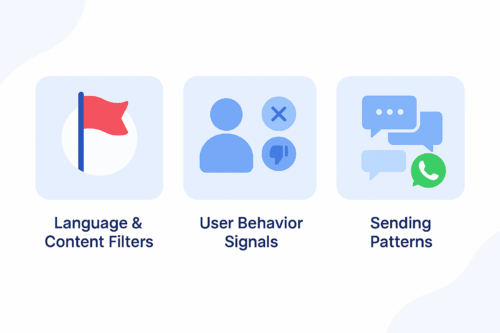
A clean blue infographic illustrating three reasons WhatsApp flags messages: language and content filters, user behavior signals, and sending patterns.
A simple infographic showing the main factors that cause WhatsApp messages to be flagged as spam.

WhatsApp protects users from unwanted or irrelevant content. Its detection system relies on three main components.

1. Language and Content Filters

WhatsApp automatically flags messages that include aggressive sales language, misleading claims, or repetitive promotional formatting.

2. User Behavior Signals

If users frequently block your number, report your messages, or never engage, WhatsApp lowers your sender quality score.

3. Sending Patterns

Sending the same unpersonalized message to large audiences or sending at a high frequency increases the risk of being flagged.


How ChatGPT Helps You Stay Compliant

ChatGPT allows marketers to generate message variations, personalize content, and avoid risky language. When used effectively, it helps you:

  • Avoid spam-triggering words

  • Maintain a conversational and friendly tone

  • Personalize messages at scale

  • Generate safe, compliant WhatsApp templates

Instead of guessing what may cause a message to be flagged, you can use ChatGPT to create structured, user-focused messages based on WhatsApp’s best practices.


Best Practices for Writing WhatsApp Messages

To improve compliance and engagement, follow these principles.

Focus on Value, Not Promotion

Avoid overly pushy sales messages.

Instead of:
“Buy now and get 50% off!”

Try:
“We thought you might like these new arrivals.”

Keep the Tone Conversational

Write naturally and avoid robotic or formal text.

Personalize Whenever Possible

Reference the user’s name, interest, or purchase history to reduce block rates.

Use Soft CTAs

Avoid commands such as “Act now.”
Use gentle guidance like “Would you like to explore the latest items?”


ChatGPT Prompt Examples for Safe WhatsApp Messaging

Use the prompt ideas below to generate compliant message templates:

Cart Reminder

“Write a friendly reminder for a user who left items in their cart. Keep the tone conversational and avoid strong promotional language.”

Personalized Follow-Up

“Create a message for a returning customer based on their last purchase. Offer something relevant without pressure.”

Re-Engagement Prompt

“Write a soft re-engagement message for a customer who has not interacted in 30 days.”

Order Confirmation with Suggestion

“Write an order confirmation message that includes a light suggestion for a related product.”

Limited-Time Announcement

“Create a short message inviting the user to view a relevant campaign without using pushy phrases.”


Testing and Improving with Appgain’s WhatsApp API

Once your messages are ready, you can test their performance using Appgain’s WhatsApp API.

Step 1: Send via WhatsApp API

Deliver personalized messages using templates, dynamic fields, and buttons.

Step 2: Monitor Message Performance

Track key metrics such as delivery rate, read rate, clicks, and opt-outs.

Step 3: Iterate Based on Feedback

If a message performs poorly, adjust the tone or content using ChatGPT and test a new version. Continuous iteration leads to stronger results.


Final Thoughts

Writing WhatsApp messages that avoid spam filters isn’t just a compliance task — it’s the foundation of building conversations that users actually want to receive. When your messaging feels natural, thoughtful, and personal, it earns trust instead of triggering blocks.

With Appgain, you’re not simply sending WhatsApp campaigns.
You’re shaping a messaging experience that respects the user, follows WhatsApp’s rules, and delivers measurable business impact.

Personalization at Scale: How Appgain Helps You Speak 1-on-1 to Thousands

Modern customers expect more than just a name in a message. They want offers that match their behavior, timing that fits their habits, and recommendations that feel tailor-made.

The challenge? Doing that for thousands — without doing it manually.

This is where Appgain comes in. With behavioral segmentation, smart automation, and AI-powered workflows, you can personalize every message like it was written for one person — even when you’re sending it to thousands.

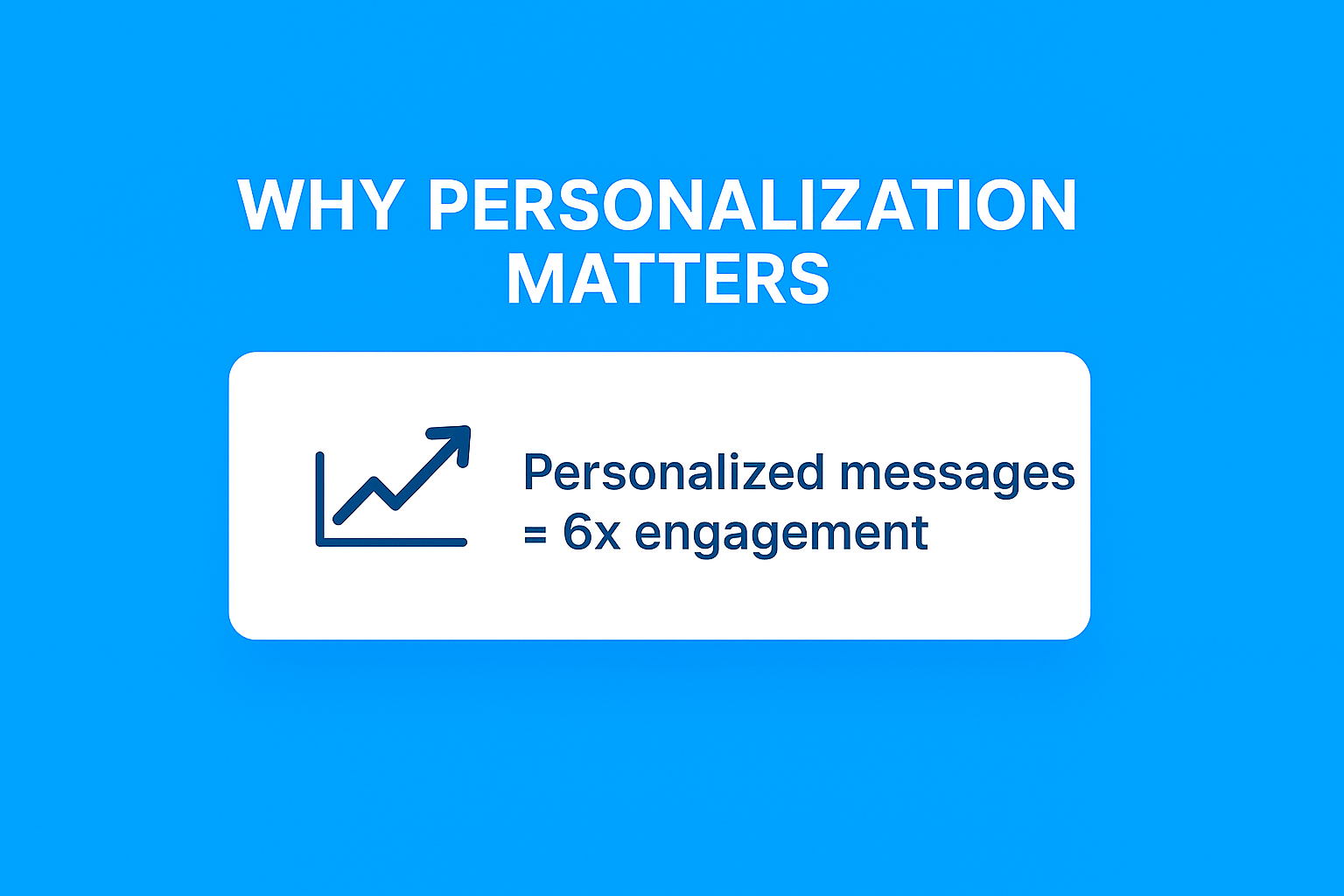
Why Personalization Matters More Than Ever

Generic campaigns no longer convert. Today’s consumers ignore one-size-fits-all messages.

According to industry benchmarks:

  • Personalized messages have up to 6x higher engagement
  • Behavioral-based campaigns outperform demographic ones
  • Cart-based personalization can boost revenue by 30% or more

The more relevant your message, the more likely your customer is to respond.

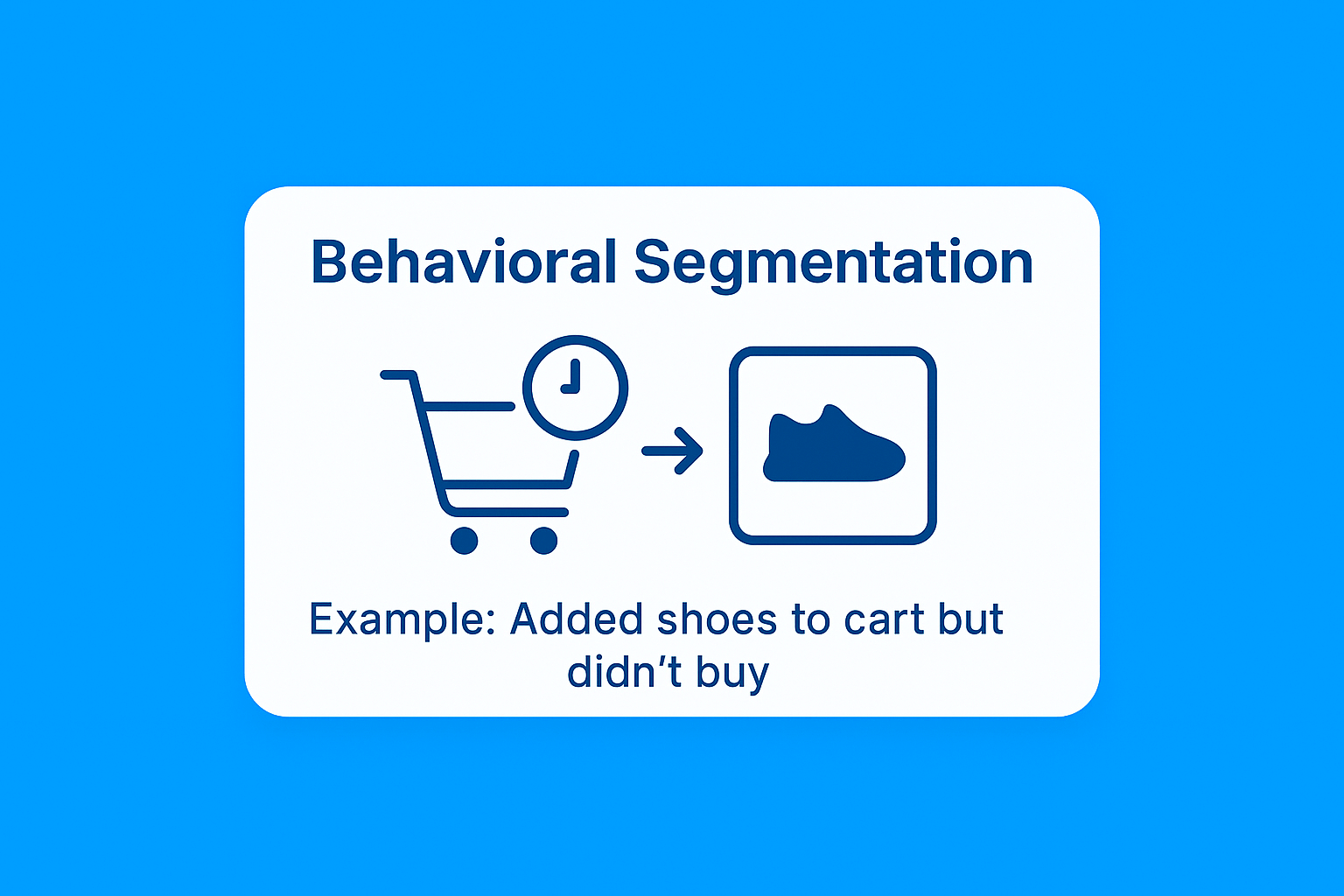
Step 1: Segment by Behavior, Not Just Demographics

Traditional segmentation relies on age, gender, or location. That’s not enough.

With Appgain’s CRM and analytics tools, you can segment based on:

  • Last product viewed
  • Time spent on page
  • Cart activity (added but not purchased)
  • Purchase frequency
  • Campaign click history

Example Segment:
“Users who added shoes to cart in the past 7 days but didn’t buy.”

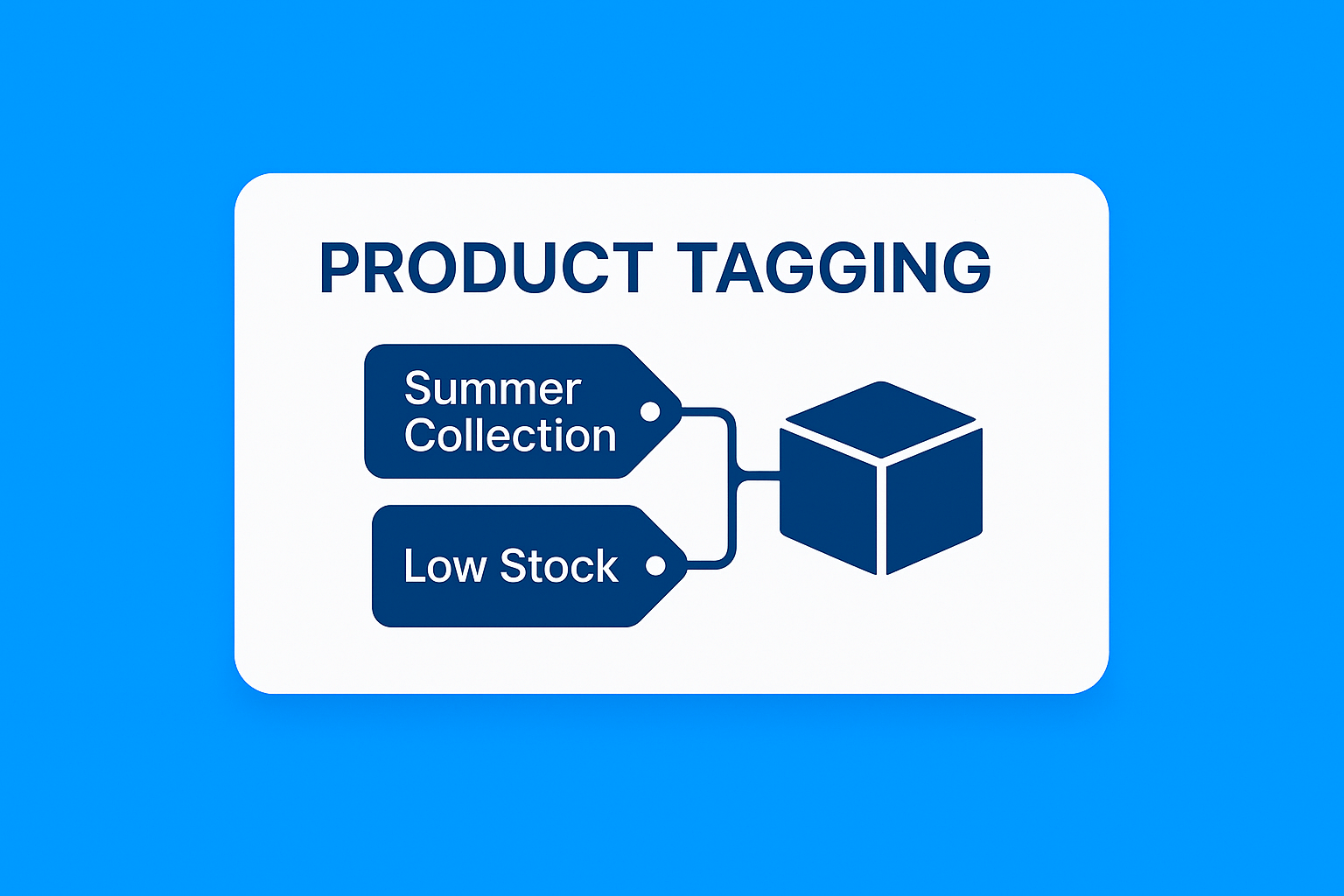
Step 2: Add Context with Product Tagging

You can’t personalize without context. That’s where product tagging comes in.

Appgain allows you to assign tags like:

  • “Summer Collection”
  • “High-Interest”
  • “Repeat Buyer Favorite”
  • “Low Stock”

This enables messages like:

“Still thinking about the Summer Sandals? They’re almost gone.”

Step 3: Personalize Messaging with Automation + AI

Using Appgain’s integration with n8n, you can build workflows that:

  • Pull product data
  • Check customer behavior
  • Feed it into ChatGPT or Claude to generate tailored messages
  • Send through WhatsApp, SMS, or email

All of this happens automatically — no manual copywriting required.

Example Workflow:

  1. Customer abandons cart
  2. n8n pulls product info + behavior
  3. AI generates a unique follow-up message
  4. Appgain sends it via WhatsApp with product image and CTA

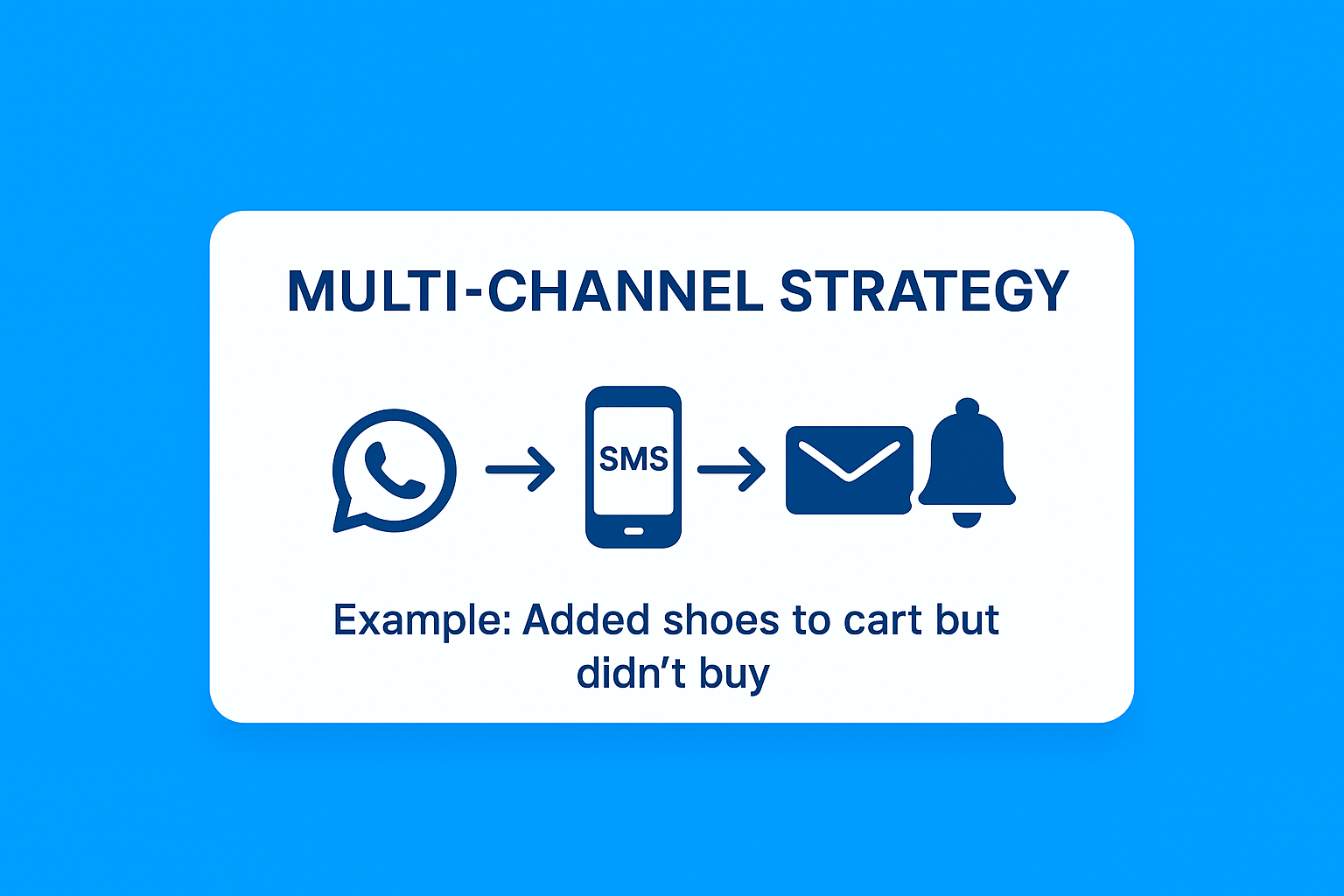
Step 4: Multi-Channel Delivery, One Strategy

Every customer prefers a different touchpoint. Appgain supports:

You can build one unified flow that delivers the right message to the right user via the right channel.

Real-World Impact

Brands using Appgain for personalization have reported:

  • 3x higher click-through rates
  • 40% better reactivation of inactive users
  • Reduced dependency on manual campaign building

Automation doesn’t just save time — it creates better customer experiences.

Final Thoughts

Personalization at scale isn’t a luxury anymore — it’s a requirement.

With Appgain, you can go beyond names and send truly relevant, context-aware, and conversion-driven messages to thousands — without losing the personal touch.

Ready to turn data into conversations?
Visit appgain.io to start personalizing at scale.

Push Notifications vs. WhatsApp: Which Drives Better Re-Engagement?

In the world of re-engagement, one message can make the difference between a lost user and a returning customer.

But which channel delivers better results — Push Notifications or WhatsApp?

This article compares both channels across open rates, user experience, and use cases — and shows how to get the best of both with Appgain.

Push Notifications: Fast and Far-Reaching

Why marketers rely on it

  • Reaches users instantly, even outside your app
  • Ideal for short, urgent messages
  • Easy to implement for web or mobile

Performance Snapshot

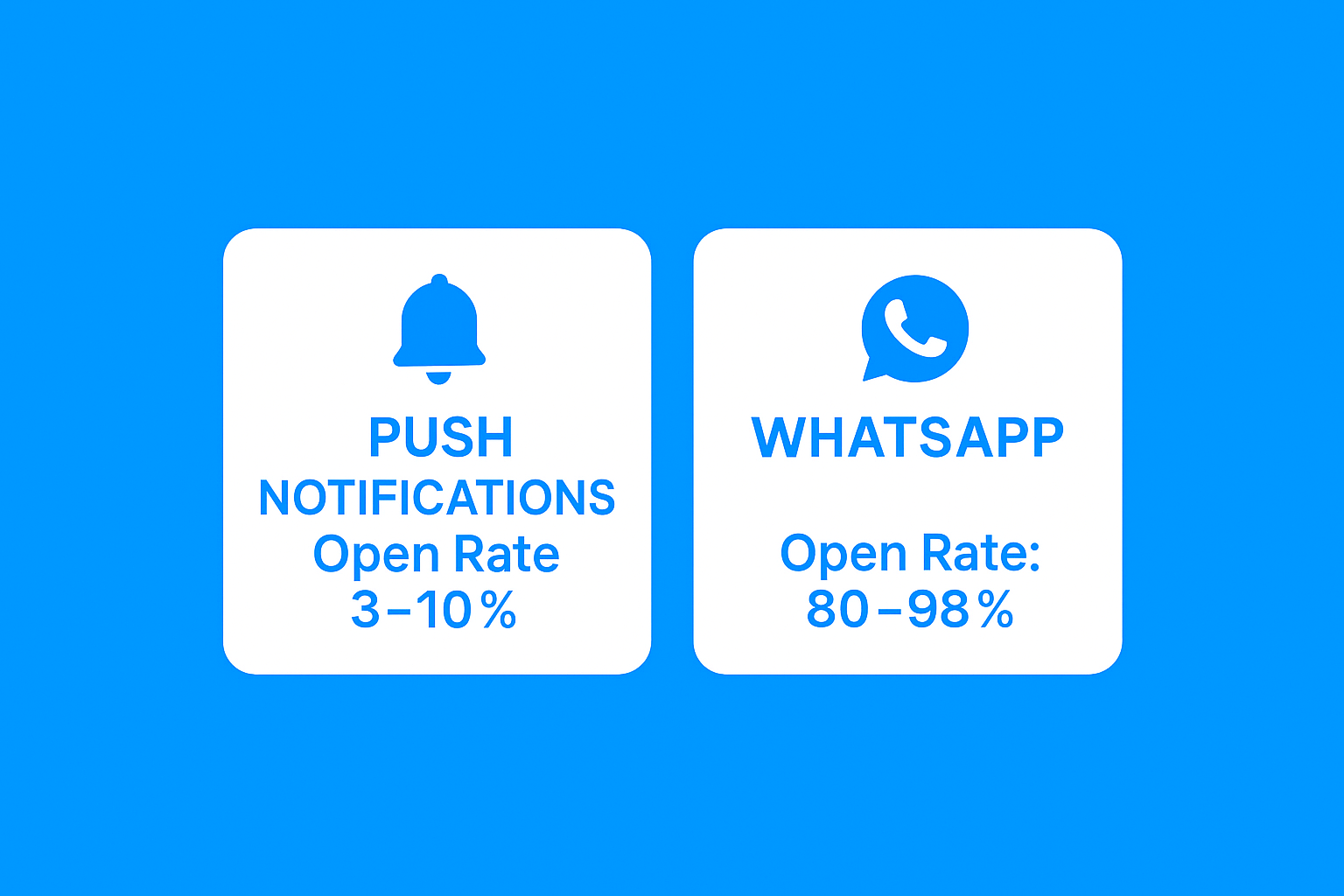
  • Average Open Rate: 3% to 10%
  • Best For: Abandoned cart nudges, flash offers, quick alerts

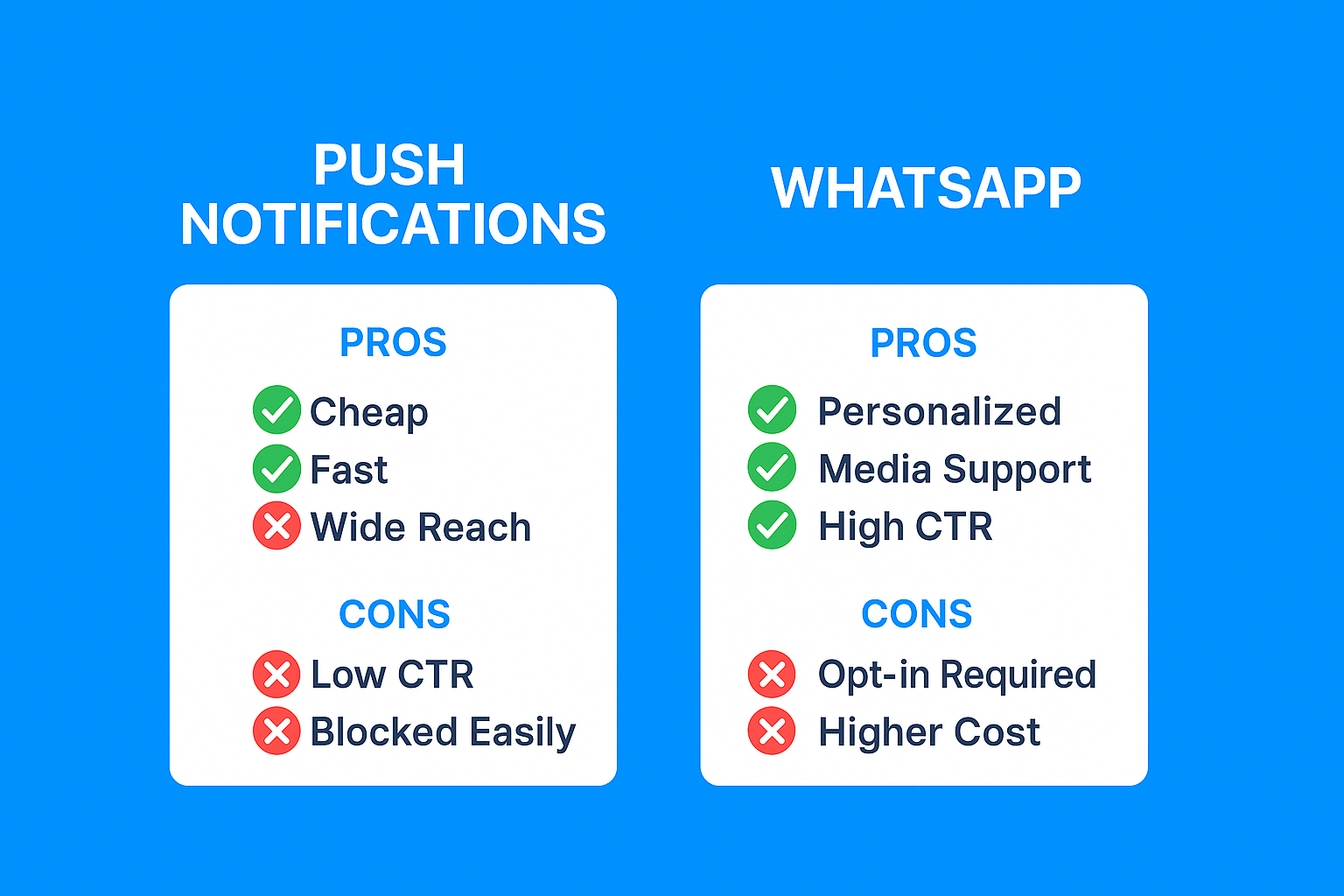
Pros

  • Lightweight and low-cost
  • No contact list required
  • Works well for both mobile apps and websites

Cons

  • Can be blocked by user settings
  • Limited space for personalization
  • Higher opt-out rates over time


WhatsApp: Personal and High-Converting

Why it works

  • Reaches users in the app they use most
  • Supports two-way interaction and rich content
  • Excellent for event-based automations and AI integration

Performance Snapshot

  • Open Rate: 80% to 98%
  • Click-Through Rate: Up to 45%
  • Best For: Personalized re-engagement, cart recovery, drip campaigns

Pros

  • Deep personalization with media support
  • AI chatbot-friendly
  • Higher engagement and conversion

Cons

  • Requires opt-in
  • Daily templates need approval
  • Higher cost per message than push


When to Use Both Together

Top-performing brands use both channels strategically.

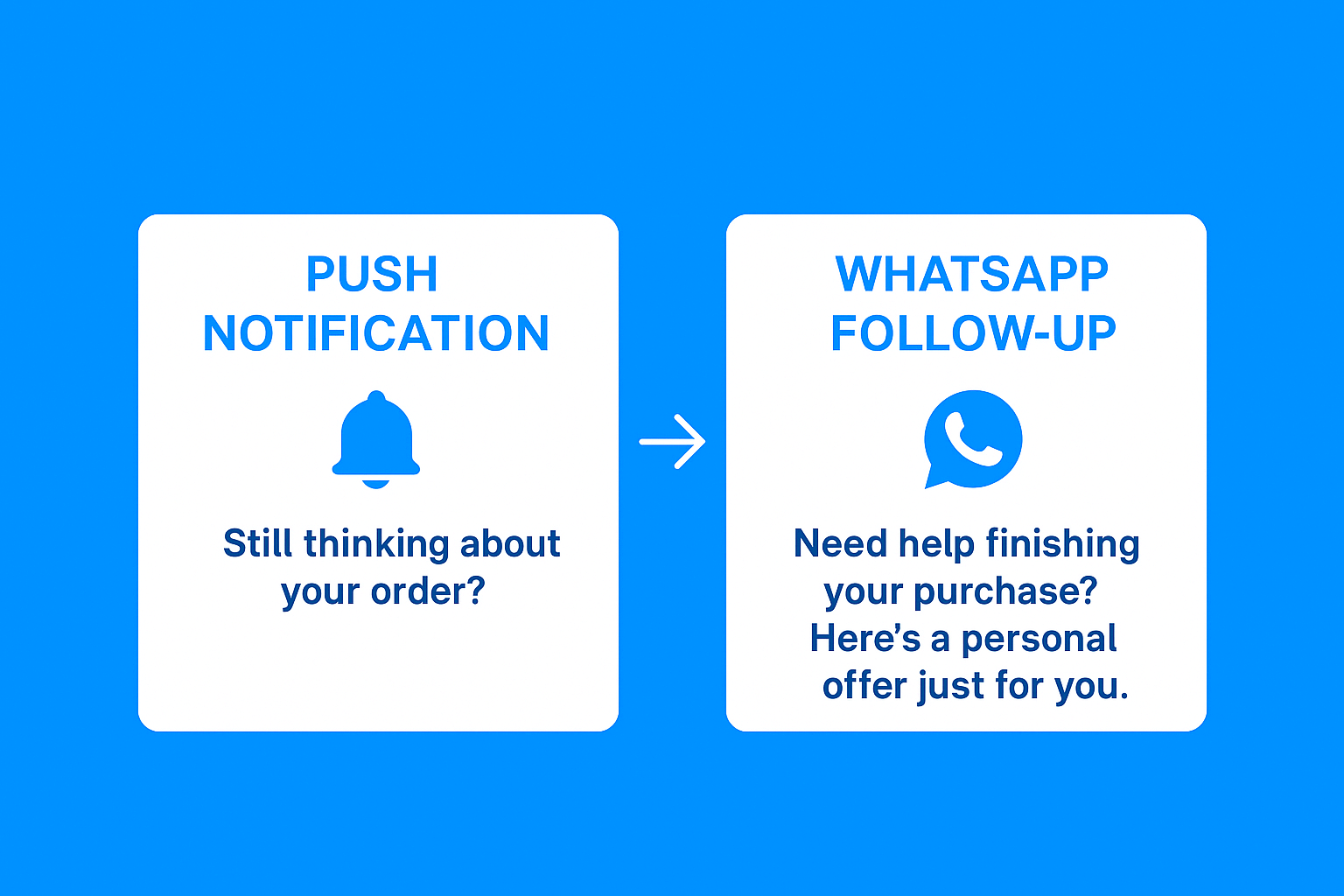
Sample Flow

  1. Push Notification: “Still thinking about your order? Items are selling fast.”
  2. WhatsApp Follow-Up (next day): “Need help finishing your purchase? Here’s a personal offer just for you.”


How Appgain Helps

  • Build flows in n8n using CRM or behavior triggers
  • Switch channels automatically based on engagement
  • Track delivery, clicks, and ROI in one dashboard

Performance Comparison

Channel Open Rate CTR Opt-In Required
Push 3% – 10% 0.5% – 2% No
WhatsApp 80% – 98% 20% – 45% Yes

Final Thoughts

Push notifications grab attention.
WhatsApp drives conversations and conversions.

But the most effective strategy isn’t picking one — it’s using both in harmony.

With Appgain’s automation tools, CRM integration, and unified messaging APIs, you can build smarter, faster, and more effective re-engagement campaigns.

Ready to boost retention with smarter messaging?
Visit appgain.io and get started today.

AI Marketing in 2025: How Appgain Helps Brands Win

“AI Is the New CMO: Are You Ready?”

78% of marketers already use AI. Are you still guessing?
In 2025, AI is not a “future trend.” It is the present reality. From segmentation to automation and personalization, AI is already rewriting the rules of marketing. If you’re not using it, you’re simply getting left behind.

According to Taboola’s 2025 report:

  • 78% of marketers have already adopted AI tools.

  • Why? Because it delivers results: faster, cheaper, smarter execution across every channel.

However, with this power comes new expectations:

  • Hyper-personalized content

  • Real-time automation

  • Iron-clad compliance

In this article, we’ll explore the major AI marketing trends from Taboola’s forecast — and show how Appgain helps brands ride the wave.

Trend #1: AI Everywhere in Marketing

From content generation to customer support, AI appears in every stage of the funnel.

Taboola highlights:

Moreover, SMEs are seeing faster adoption than expected. They are using AI without writing a single line of code and achieving results that once required full teams.

How Appgain Puts AI Into Action

The Appgain platform makes AI practical and plug-and-play for resource-strapped teams.

Smart Segmentation

  • Viewed a product but didn’t buy? → Tag: Window Shopper

  • Reached checkout but dropped off? → Tag: Cart Abandoner

  • Purchased multiple times? → Tag: VIP

These segments automatically feed into tailored automation flows.

Automated Campaign Timing

  • A WhatsApp reminder is triggered 3 hours after cart abandonment.

  • Email follow-ups align with user activity and timezone.

  • Push notifications go out if the user hasn’t opened the app in 5 days.

As a result, every campaign is optimized for maximum engagement.

Hyper-Personalization with OpenAI

  • Personalized product recommendations

  • Smart replies in WhatsApp conversations

  • Context-aware copy for SMS and email

In fact, all of these adapt dynamically to behavior, language, and profile — as seen in How AI Chatbots Are Driving a Real Estate Revolution in 2025.

Trend #2: Compliance Is Non-Negotiable

With AI’s power comes responsibility. Taboola reports that 41% of marketers are concerned about ethical boundaries.

How Appgain Ensures Trust & Safety

  • GDPR and local compliance baked into every campaign

  • Double opt-in for WhatsApp flows

  • End-to-end encryption with Meta’s approved WhatsApp API

  • User tagging and suppression to avoid spam

On the other hand, many platforms still leave compliance to the user. Appgain ensures it is built-in by default.

Trend #3: Simplicity for SMEs

Small businesses don’t have time for dev-heavy tools. That’s why Appgain is designed for no-code and no complexity.

  • Plug-and-play templates

  • n8n workflows for visual automation

  • Integrates with Shopify, Salla, WooCommerce, and more

  • Drag-and-drop flows to launch campaigns in minutes

For example, one retailer automated cart recovery and boosted sales by 32% in the first month. Whether it’s a beauty store in Riyadh or a gadget shop in Istanbul, smart campaigns run seamlessly.

Key Takeaway

AI is more than a tool. It now works like your entire marketing department.

If you are still relying on guesswork, manual campaigns, or one-size-fits-all blasts, you are not just behind — you are invisible.

With Appgain, AI is finally in your hands:

  • No engineers required

  • No code needed

  • No delays allowed

Ready to Market Like It’s 2025?

Start your first AI-powered WhatsApp campaign with Appgain — in less than 10 minutes.
[Build your smart campaign today]

WhatsApp Automation = 98% Open Rate – Here’s Why It Works

98%. That’s the average open rate for WhatsApp messages.
Not emails. Not SMS.
WhatsApp.

In a world full of unopened emails and ignored push notifications, WhatsApp is the rare channel where people actually read, react, and respond — often within seconds.

That’s why the smartest brands are embracing WhatsApp marketing automation — not just as a support channel, but as their primary engagement and sales engine.


WhatsApp-First: A Shift in Marketing Strategy

Your audience isn’t in their inbox anymore. They’re on WhatsApp — chatting with friends, family, and yes, businesses.
That’s what makes it powerful.

WhatsApp-first means you lead the customer journey from chat, not email. From personalized messages, not generic ads.
It’s a shift from broadcasting to real-time conversation — and it’s working.


The Power of WhatsApp Automation

Manual replies don’t scale. One-off messages don’t convert.
But automation on WhatsApp? That’s where the magic happens.

With the right stack, you can:

  • Build Conversational Flows
    Answer questions, qualify leads, and guide users — without a human.

  • Send Broadcast Campaigns
    Reach thousands with dynamic offers, images, and CTAs.

  • Segment Your Audience
    Target based on CRM tags, abandoned carts, past purchases, or location.

Learn more about CRM Segmentation and Cart Recovery on WhatsApp

This isn’t just fast. It’s effective.


What Makes Appgain’s Stack Different?

With Appgain’s WhatsApp Business API, Automation Builder, and n8n integration, marketers can design custom flows that run 24/7 — and convert better.

Here’s how it works:

  • WhatsApp API – Send rich, verified messages with images, buttons, and personalized offers.

  • Automation Builder – Create flows triggered by user actions or CRM events — no code needed.

  • n8n Workflows – Connect your store, CRM, email, analytics, and more — all in one visual automation engine.

(Source: [Meta Business](https://business.whatsapp.com/))

The result? Your marketing becomes proactive, data-driven, and personalized.


From Cart to Conversion: WhatsApp Automation in Action

Let’s say a shopper browses your fashion store and adds a denim jacket to their cart, then leaves.

Here’s what your Appgain-powered workflow can do:

  • Trigger: Abandoned cart after 20 minutes

  • Message (WhatsApp):
    “Still thinking about that denim jacket? Here’s 15% off – valid for the next 3 hours.”

  • Action: If no reply in 24h, follow up with low-stock urgency.

This isn’t just messaging — it’s sales automation that feels human.


Why WhatsApp‑First Automation Works

  • Unmatched Open Rates – 98%+ average

  • Higher Conversions – Personalized journeys outperform static funnels

  • Reduced Manual Effort – Let automation handle the heavy lifting

  • Real-Time Engagement – No waiting. No friction. No leaks in the funnel.


How It Looks in Action

 Imagine this:
A customer opens WhatsApp and finds a rich, branded message with a special offer — complete with image, CTA button, and reply options.

Behind the scenes, your flow tracks who clicked, who bought, and who needs a reminder.

 Overlay this with automation icons and stats like:
“WhatsApp Automation = 98% Open Rate”

That’s not just marketing. That’s precision.


Want to Try It for Your Business?

Whether you’re in e-commerce, retail, or education, WhatsApp-first automation will:

  • Save you time

  • Boost your ROI

  • And make every message count


Don’t just send messages.
Build journeys. Convert leads. Own the conversation.
With Appgain.


? Have questions or want to see it in action?
Our team is ready to help you experience the power of WhatsApp-first automation — tailored to your business goals.

? Chat with us on WhatsApp

Let’s build your first WhatsApp-first campaign — together..

Centralized Cross‑Channel Marketing: WhatsApp, Facebook & Instagram in One Flow


Why does every campaign still feel like a juggling act? One message on Facebook, another on WhatsApp, and somehow email never quite fits.

It doesn’t have to be that way anymore.

In July 2025, Meta made a quiet announcement with massive implications: you can now manage campaigns across WhatsApp, Facebook, and Instagram — all from one place.

That’s more than just convenience.
It’s a whole new way of thinking about customer engagement.

From Fragmented to Fluid

Your customer doesn’t see channels. They see your brand.
And if your messaging feels scattered, so will your customer experience.

A unified, cross-channel approach means:

  • One story across every touchpoint
  • Messages that build on each other
  • And a customer journey that actually makes sense

No more mixed signals. No more missed opportunities.


What Happens When Channels Work Together?

When WhatsApp, SMS, email, and push notifications operate in sync, marketing becomes more than a broadcast — it becomes a conversation.

Here’s what you unlock:

  • Higher conversions, driven by timely, personalized nudges
  • Smarter targeting, using unified CRM data and behavioral triggers
  • Brand consistency, with one voice across all channels
  • Fewer silos, less chaos, and faster execution

It’s not about doing more. It’s about doing it right.

How Appgain Makes It Simple

All your channels. All your campaigns. One smart dashboard.

Appgain is a cross-channel marketing platform built for clarity, speed, and results.
From a single dashboard, you can:

  • Launch WhatsApp campaigns
  • Trigger backup SMS for unread messages
  • Send personalized product recommendations by email
  • Push urgent deals via mobile notifications

All orchestrated with:

  • Messaging APIs (WhatsApp, SMS, Email, Push)
  • CRM Segments & Automation Builder
  • OpenAI integration for dynamic content
  • n8n Workflows that connect every step

It’s a marketing automation tool that lets your channels work as one — with zero friction.

A Real-Life Example: Flash Sale Recovery Flow

Scenario: A fashion store runs a 24-hour flash sale.

Here’s the flow with Appgain:

  1. Email blast to announce the offer
  2. Push notification to those who didn’t open
  3. WhatsApp message with item suggestions based on past purchases
  4. SMS reminder a few hours before the sale ends
  5. Follow-up the next day for those who didn’t complete checkout

Results?

  • 3x engagement
  • 45% cart recovery
  • No copy-pasting across platforms. No manual syncs.

The End of Marketing Silos

Meta gave us the signal. Appgain builds the system.

Whether you’re running a Shopify store or managing enterprise campaigns, Appgain gives you the tools to deliver unified customer engagement at scale.

Because smart marketing doesn’t just reach people.
It respects their journey.

One dashboard. All channels. Total clarity.

Ready to See It in Action?

Appgain helps you move fast, stay personal, and grow with precision — all from one platform.

Ready to See It in Action?
Appgain helps you move fast, stay personal, and grow with precision — all from one platform.
Book a free demo and start building connected campaigns that actually convert.

? Want to talk now?
Chat with our team on WhatsApp and discover how Appgain can unify your marketing — without the chaos.
? Start a WhatsApp Chat