Appgain Exhibited at WebSummit 2022 -Lisbon

Appgain, has recently exhibited at Websummit 2022 in Lisbon, Portugal,
with the support of two major organizations in Egypt –
the Information Technology Industry Development Agency (ITIDA)
and the Digital Egypt Technology and Entrepreneurship Development (DETGD).

ITIDA and DETGD are two of the most prominent organizations in Egypt’s technology industry,
and their support for Appgain’s participation in Websummit 2022 was a testament to the company’s
commitment to innovation and excellence in mobile app marketing.

The support of ITIDA and DETGD for Appgain’s participation in Websummit 2022
was a testament to Egypt’s growing reputation as a hub for technology innovation and entrepreneurship.

The organizations are committed to promoting and supporting the growth of Egypt’s technology industry,
and their support for Appgain is a reflection of their commitment to this mission.

Appgain at WebSummit 2022

During the conference, Appgain showcased its advanced app marketing platform,
which provides a wide range of solutions designed to help businesses grow
their mobile apps.

These solutions include user acquisition, engagement, and retention tools, as well as analytics and reporting features to help businesses optimize their app marketing strategies.

In conclusion, Appgain’s participation in Websummit 2022, with the support of ITIDA
and DETGD, was a resounding success and a testament to the company’s
commitment to innovation and excellence in mobile app marketing.

The conference provided Appgain with the perfect platform to showcase its innovative solutions to a global audience, engage with potential customers,
partners, and investors, and learn from industry experts and thought leaders.

We look forward to seeing what Appgain and Egypt’s technology industry have in store for us in the future
and we wish them continued success in the years ahead.

Mobile Marketing for Apps How To Acquire, Engage and Retain Users? Part 2


Previously in part 1 in Mobile App Marketing guide, we started to address the big issue of how to acquire, engage and most importantly, retain our mobile app users. Looking up to the AARRR Model, we have discussed in details our first pillar – user acquisition – and now it’s time to move to our second pillar in our mobile app marketing growth model.

II- Mobile App User Activation (Engage)


Do users have a great first experience?

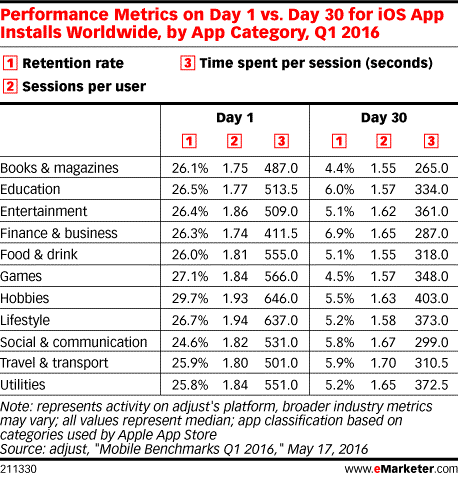
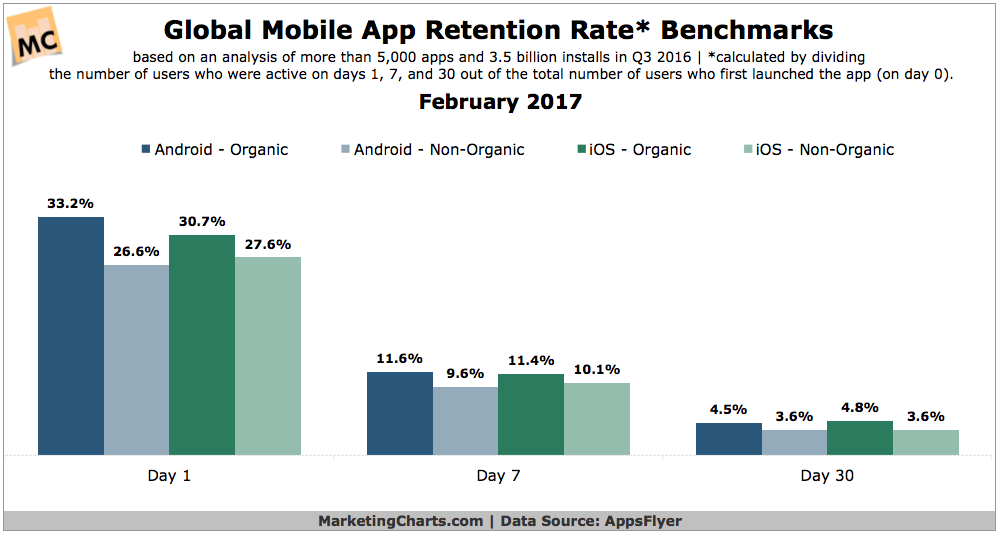
“Despite the rise in mobile, the majority of users stop using apps after the first 30 days!” Stated emarketer when researching on mobile apps’ engagement. More shockingly, “23% of mobile app users worldwide gave up on an app after using it JUST ONCE” According to Localytics. And the statistics go on and on, proving one thing: Engaging your app users’ definitely needs you to stand out with a super mobile app user activation strategies! (To see how you can boost your activation rates, visit Appgain activation for mobile apps page.)

mobile marketing

Source: emarketer 

From where to start?
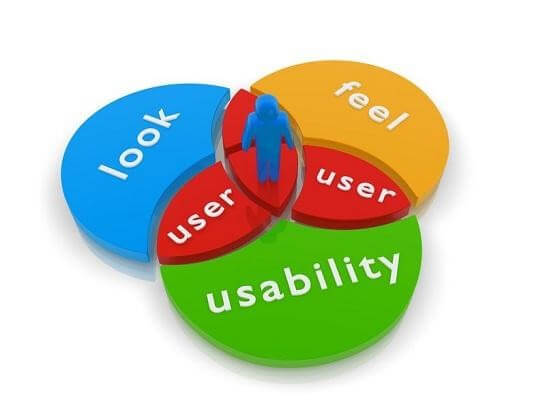
We have two words for you: User Experience.
This is what is it all abouactually. If you don’t create a one-of-a-kind user first experience once they login into your mobile app, then you will lose them, and believe me, you will have to do ENORMOUS work to retain them once more. So if you ever faced that problem “users didn’t come back after their first login to my app,” then you need to fix your user experience strategy IMMEDIATELY!

Mobile App User Activation checklist for your upcoming Mobile App Marketing strategy

1- Plan your users’ life cycle thoroughly (Plan. Every. Single. Step.)


  • Map out many scenarios starting from, the very first-moment users log in, the appending, leaving with a great first impression.
  • Make every step users take inside your app enjoyable and worth your users’ time.
  • Don’t forget to make it as creative as possible!

These are not a checklist point for this phase only; you must map your users’ journey in every phase of your mobile app marketing plan. So you might need to consider applying this to acquisition and retention phases as well. (To see how Appgain helps companies to increase their acquisition rates, visit Appgain acquisition for mobile apps page.)

Tools to utilize when planning your Mobile App Marketing lifecycle:


gliffy: online diagram editor for creating and sharing network diagrams, floor plans, user interface designs, and more.
Lucidchart: Your Flowchart Maker, From brainstorming to project management

2- Go to extra mile

The more you skip boring procedures to your users, the more comfortable they feel while navigating in your mobile app, the higher activation rates you’ll generate. You can try the following:

  • Don’t ask for unnecessary extra data
  • Pre-fill their forms using their social media accounts or their registered email
  • Automatically get them back to the same spot they left from, without having to do all the elementary steps again.


Tools to support your users:


Zendesk: “builds software for better customer relationships and allow businesses to be more reliable, flexible, and scalable.”
Stackify: “Improve application performance by combining monitoring, errors, logs, and metrics.”


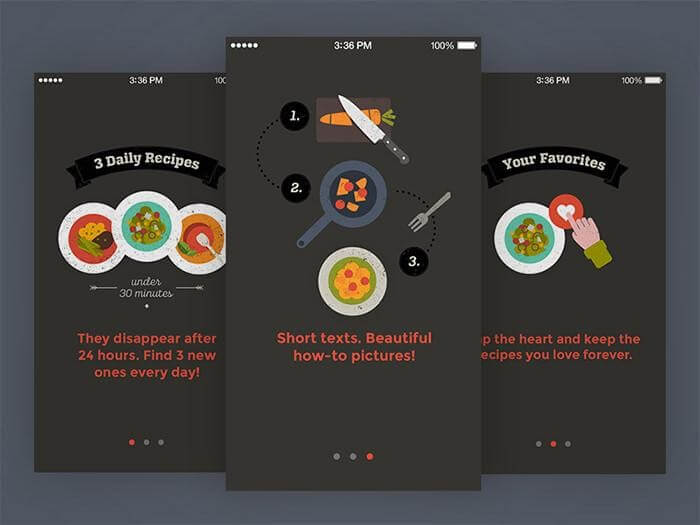
3- Never skip the onboarding tutorial, it’s crucial for Mobile App Marketing


How would you feel when you enter a completely foreign place for the first time, and you found no one waiting over there to welcome you and to offer some tour guiding? Unwelcomed and a bit lost?
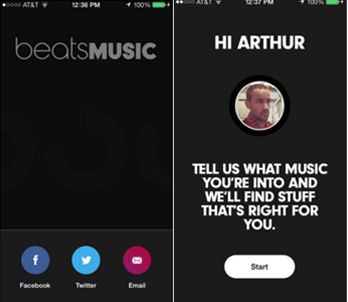
This is what your users feel exactly without your onboarding tutorial. Offer users an orientation on how to use your app; give them a tour to discover the options available and a showcase to what makes it unique.


Onboarding Tutorials Tools:


Appcue: Walkthroughs & in-app messages to drive engagement, habit creation and boost user growth rates
Appgain.io: Smart deep links that deliver personalized your app user experience and guarantee boosting your mobile app user activation rates by 78% in just one week

mobile marketing for apps

4- User-Friendly Navigation system (UI/UX)


Make it flow smoothly. Making your app easy to use is one step closer to the success of your use mobile app user activation plan; people hate slow and complicated systems.

  • Use tools and technologies that can guarantee to move quickly from one window to the other one.
  • Let them move through clear and short steps
  • Utilize a call to actions that quickly respond to any order given by the user.

Bear in mind that your slow app operating system will accordingly case a prolonged generating process for user growth rates for your app.


UI/IX Designing Tools:
UX-App: “Interaction and User Interface Design Software”
Appgain.io: “Deep links tool that shortens the path from email to specific pages inside your app with shareable and feasible varieties of deep links.”

5- Personalize your app


A user is navigating among many apps at the same time, and then he got a message from your app calling him with his name and mentioning something special cooked for him, what is the normal reaction for that? Of course, checking out the app!

Personalizing your messages will always grab users’ attention and boost your mobile app user activation rates. Use your users’ location, personal information, and purchasing behaviors to make it feels like it’s’ tailored-made to fit every single user. And just like marketing automation tools, you must apply this technique in your acquisition and retention phases.

Tools to customize your mobile app:
Intercom: “Modern products for sales, marketing, and support to connect with customers and help you boost your mobile user activation rates faster.”
Braze (formerly Appboy): “unite data, teams, and technology to create brilliant brand messaging experiences for customers everywhere.”

6- One last tip: always Respect your users’ will


Do not impose too many steps on your users, let them feel free while being on your app. Ask for permissions first before proceeding with any action like rating the app or filling a form for an Example: If it is a gaming app, then offer free icons or gift when evaluating and reviewing the app for the first time.

And of course, publishing an app that offers nothing will never engage users or boost your user growth rates, even if you mastered all the points mentioned above! Just make sure that there is a real added value in your app, utilize the above points accordingly, and then enjoy having some happy and loyal users for your mobile app.


III. Mobile App User Retention


Do users revisit your app?

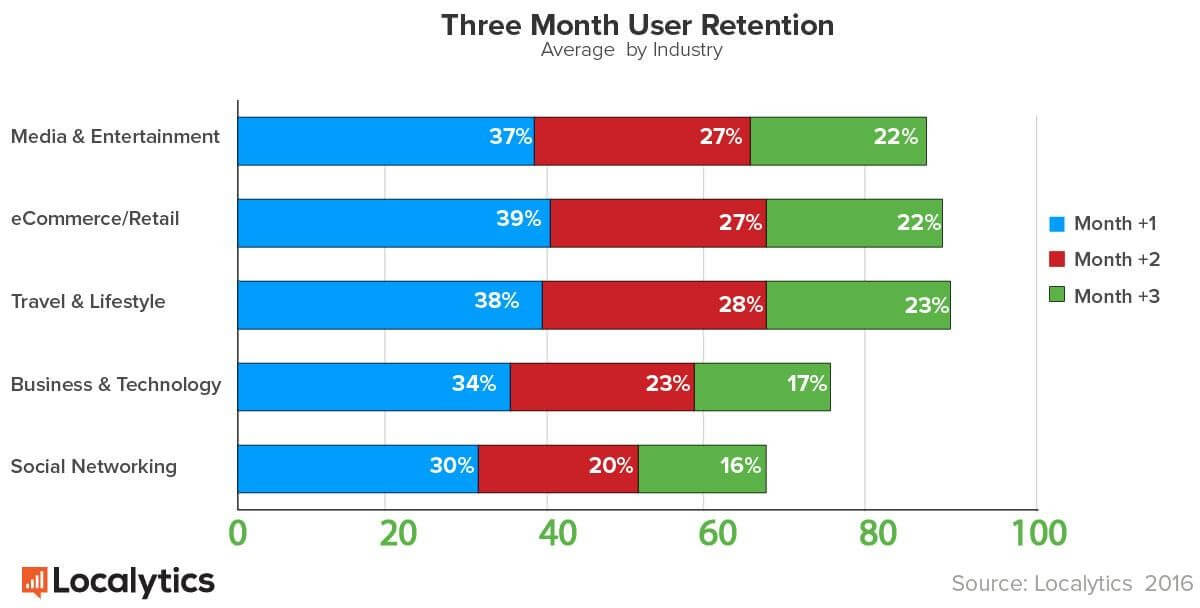
Getting discovered, downloaded, and leaving a good first impression is one thing, and keep your retention records up is a whole other thing. Statistics about mobile app user retention rates have stated that after three months of publishing your mobile app, an average of 75% to 80% of your users will stop using your app, and worst, some will delete it.

mobile marketing for apps

mobile marketing for apps


Terrifying facts that need a smart solution to rescue your app users rates from deflation and that’s what we are offering in here!

The key solution to win the challenge of reducing that churn is: turn your users to a group of loyal customers who are constantly engaging with your app until they become your app advocates! Let’s learn some tricks on how to do so.

1- Give them the incentive!

What are the motives you offer for users to constantly revisit your app? Think thoroughly about this question; the answer will guide through the retention phase

Hint: Always offer rewards, promotions, coupons, and other stuff like these to engage your users and motivate them to revisit your app constantly.

Tools to assist you in this:

Tapjoy: “drives peak performance for the world’s top brands and highest-grossing app developers.”

Amplitude: “Mobile App User Retention analytics for stopping churn in its tracks.”

2- Launch re-engaging campaigns

If you have to choose between launching a campaign to acquire more users or to apply a mobile app user retention plan to the current ones, definitely go with retaining!

  • Always create re-engaging campaigns that include competitions, awareness about the new update or offers made especially for old users.
  • Continuously utilize your users’ data (their behavior, their history using your app, their names, etc.) to create an effectively personalized re-engaging campaign that is targeting retaining your old users

Tools to assist you in this:

Optimove: “Drive measurable mobile app user retention rates through your existing customers.”

MoEngage: “The most advanced user engagement platform for web, mobile & across devices.”

3- Push Notifications:

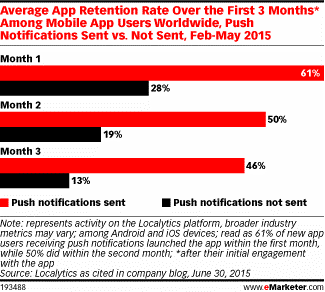
When using push notifications, the churn rate would be minimized to the third! It would be a powerful tool especially if you used it in good timing, to the right audience, and with some powerful words.

We have gone through push notifications in detail in some previous articles, and we highly recommend that one for you:  Web Push Notification and how it is significant for Digital Marketers?

Tools to assist you in this:

Appgain.io: “a cross-platform push notifications tool that sends to your mobile app users retention messages  on desktop or android mobile even if they removed your app.”

Pushbots: “a free push notifications service for mobile apps native and hybrid.”

mobile marketing for apss

4- Deep links

Deep Links are a great way not only to retain users but also to make their journey back to the app more amusing and less boring.

  1. Consider the usage of deep links with your mobile app user retention plan to highlight the most important items you want your app users to reach.
  2. Instead of waiting for users to navigate all over your app to find these items out, cut it short by inserting deep links that move them directly to these important items.
  3. You can use deep links inside the app itself, or you can use them in push notifications, sponsored ads, emails, websites, or SMS.

Tools to assist you in this:

Appgain.io: “Increase your app conversion, mobile app user retention, and user engagement through mobile attribution and deep linking.”

Branch: “Bring users to the correct page in your app even though an install.”

mobile marketing for apps

5- Geo-Fenced Notifications:

You know that instant when you are walking in the street, and you got a message from your app telling that its offline store is two blocks away? Or when you have just arrived in that new city, and you find Uber texting, you are offering a ride?

This is how geo-fenced notifications work. It’s a location-based mobile app marketing tool that gives you the privilege of engaging and retaining the right users, at the right time, in the right place.

Tools to assist you in this:

Microsoft Azure: “Create intelligent apps using powerful data and artificial intelligence services.”

Proximi.io: “a developer platform offering you all the positioning technologies and Build apps that react to the physical world.”

mobile marketing for apps
6- Be Reachable! 

One of the reasons app users may abundant your app is the inability to contact or reach you. So while upgrading your mobile app marketing plan, make sure that you did the following:

  • created a space for developing a “contact us” information
  • Inserted an FQA tap
  • Provided space for users to directly in-message you without having to leave the app

That way users will always be able to keep in touch with you and accordingly to be continuously retained.

Tools to assist you in this:
HelpScout: “Make every customer service interaction a more human one through makes excellent customer service achievable for companies of all sizes.”

Zendesk: “Cloud-based help desk solution used by more than 200000 organizations worldwide.”


7- Don’t be boring, spice up your mobile app marketing campaign

Users may like you at first, and you may think “oh yeah I did it,” and then you stop developing your app
A FATAL MISTAKE. If you are not offering something new now and then,
your users will find something more entertaining for them to pursue and you will lose all the new mobile app user
retention achievements you have worked hard to reach.


8- Put yourself in your mobile app user’s shoes 

“What makes me give up on an app although I liked it at the beginning?”
Ask yourself this question while working on your mobile app marketing plan?
and whatever the answer is, make sure that you are not repeating the same mistake in your app.

Always treat your users like they have just joined your app, cherish them with special offers and always present the newest stuff you could ever create; that’s when you can triumph the mobile app user retention challenge.

Follow appgain.io step-by-step mobile app marketing guide to acquire, engage, and retain users – part 3  and get to know the rest of AARRR pillars: Revenue and Referral. 

and if you missed part 1 you could see it here.

Still, got questions? Do not hesitate to reach out and Contact Us! Request Demo now.

RequestDemo

Mobile Marketing for Apps – How To Acquire, Engage and Retain Users?


[quoteability]Mobile apps are not a “set-and-forget” thing, you don’t just create it, and that’s it! Building the app is your start line; it’s when you start the game.[/quoteability]

The real case here is to go through all the challenges you face until you reach the finish line successfully, and then go to the next level, so on and so forth. 
Accordingly, we are providing you with what you need to win this mobile app marketing challenging game; Appgain.io step-by-step guidelines in  Mobile App Marketing and how to acquire, engage, and retain app users.”

Throughout this guide you are going to learn more about mobile app user journey, how you can trigger them in each phase of this journey, and how to successfully pass each phase till you reach the triumph!

Step 1: Know more about the game

Before taking any step forward in the game, you need to study its related facts and figures first. So here we go. Researchers found that “Four out of five smartphone users check their phones within 15 minutes of waking up, and 44% admit to sleeping with their phones beside their bed.” Huge huh? And the ugly truth is that users don’t even spend this time equally between different apps. A mobile app user has an average of 26 apps, but s/he uses only 5 of them for 80% of the time!

These insights will tell you more about that:

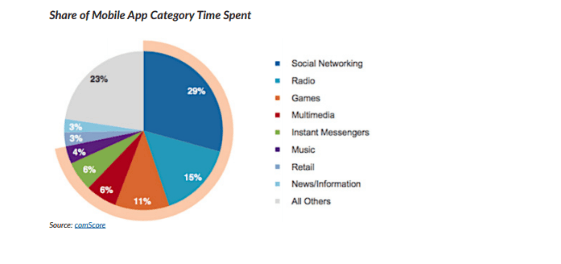
  • an insight on app categories share and average time spent in each
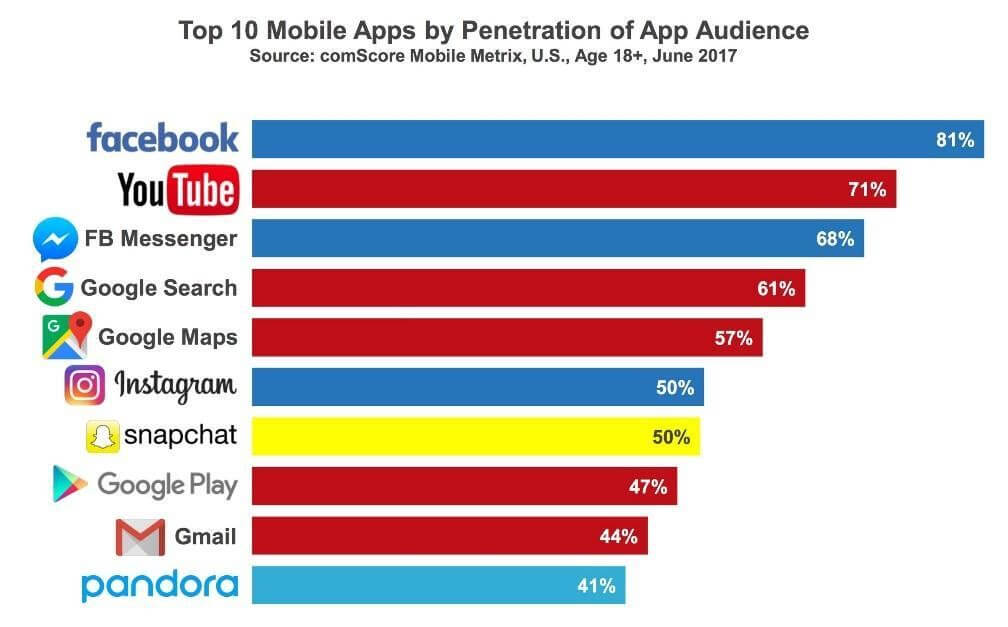
  • While you have a robust top 10 apps of all times
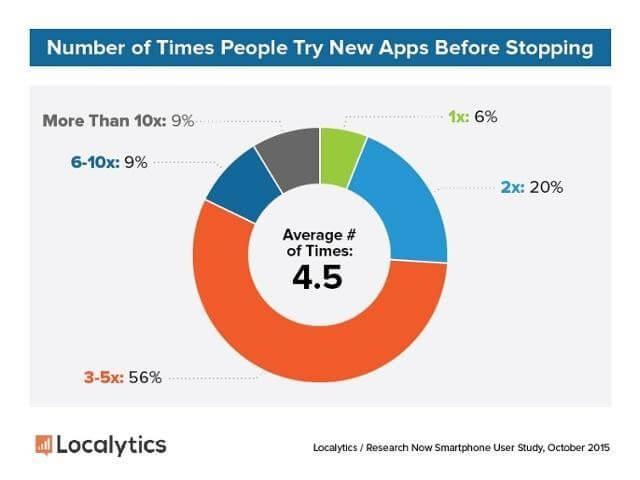
  • When you try to introduce a new app, these are your chances.
 

  • But knowing what your users expected will help a million.
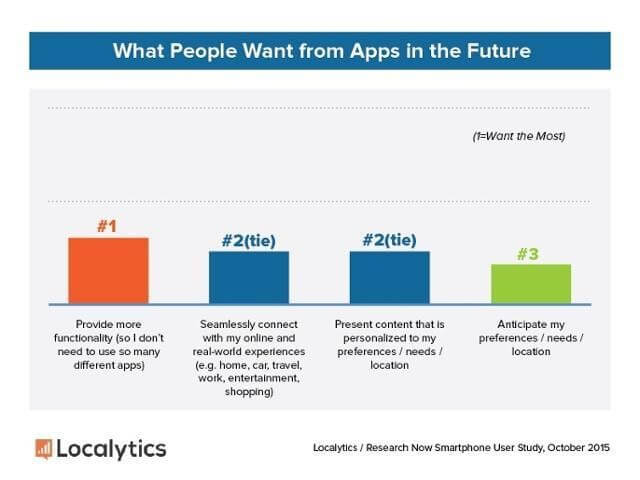
using these facts and figures, you can now map most of the challenges you may face and get prepared.

Time to learn how to win them all! 
Moving to step No.2

Step 2: Understand your user journey

To win users’ attention and to stand out despite all of the above challenges, you need to know your users’ lifecycle starting from the minute they hold their digital device and start navigating… 
The growth framework “AARRR” is your best enlightenment model for that aspect. Invented by Dave McClure back in 2007, AARRR was and still that simple and clear way which well-illustrated how exactly your users move from a phase to another and get you one step closer to the understanding of their behavior. AARRR states that mobile app users go through 5 stages; acquisition, activation, retention, revenue, and referral, as shown in the diagram:
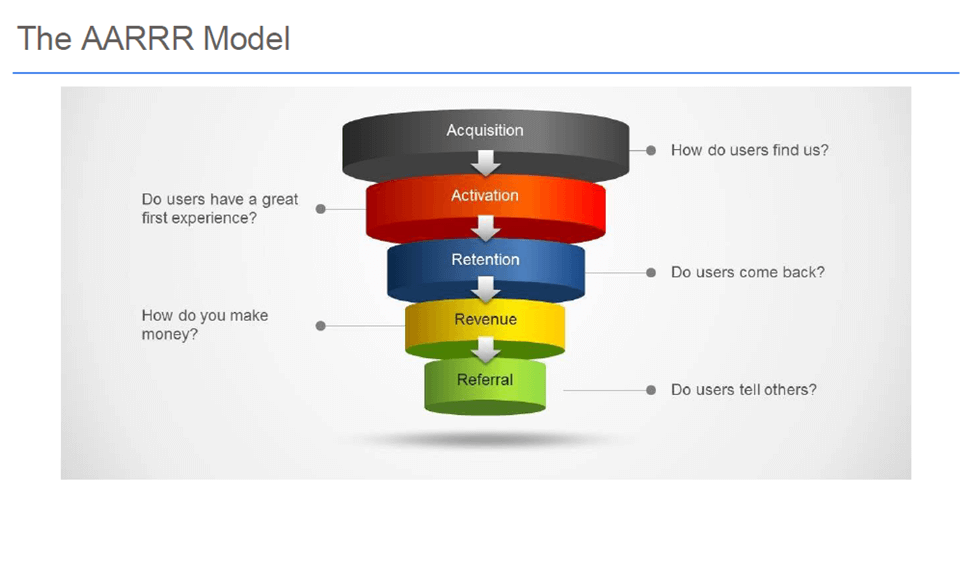
Your task now is to master every single stage of these; to understand how to encounter each one, to know the best strategies to be used, and to discover the suitable tools to analyze and manage your plan… Let’s dig deeper! 


Step 3: Utilizing the AARRR Model in your mobile app marketing plan

I- Acquisition


How do users find your app? (your app discovery)

Having more than 1.2 million apps in app stores, your mobile app acquisition process is not such an easy task to accomplish. After double-checking on your users’ persona and segmentation, and making sure that you are targeting the exact right audience to your app, you need to start researching where exactly to hunt these audiences. And the question here is “From where can you start?” The answer is right in this insight 
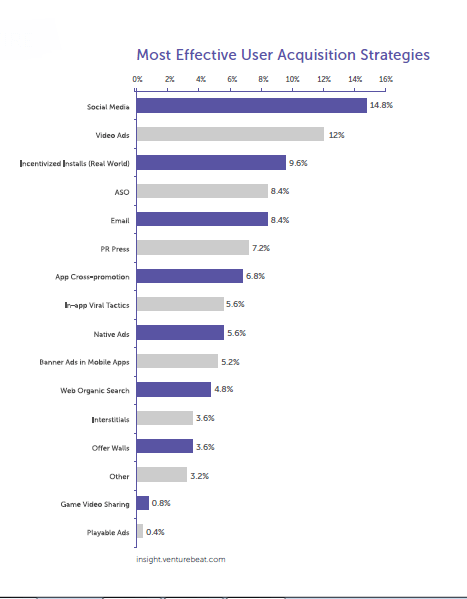
These are the most effective mobile users’ acquisition strategies and channels. After thoroughly checking it, you need to do the following:

  • Determine which channels of these you are using the most
  • Determine how common/successful it is according to the graph
  • Check out your app acquisition insights (aka mobile attribution) from each channel and document all the findings
  • Compare between the insights of each channel you analyze and determine which ones work for you the most

    After doing this exercise, you will definitely find out that the most effective channels/strategies on your list is one of these: social media, video ads and ASO. These three are the top channels to acquire audience, but do we know how to approach them correctly? Let’s see…


1- Social Media

Social Media is ranked  No.1 channel on the “most effective channels” list for a reason; it’s a magical channel if you just used it right! The evolution of social media throughout the years is impressive. Nowadays it is marketers’ no.1 channel to reach and acquire the largest possible base of audiences, and to network with them as well!

So here are you some Do and Don’ts when you start setting your social media strategies:

The Dos

  • Create a worth spreading app content: Wants your mobile app go viral? Then listen to this. The fastest and most effective way to spread your latest news/updates about your app is to get people to share it. The easiest way for people to share these news/updates is to find them right there on their timeline. So create that shareable and engaging app content and let your audiences do the rest! It can be a written post, a GIF, or a video
  • Interact: think of social media platforms as your online PR. Reply to your audience’s comment or engage them through a game that is related to your app, and most importantly, act like a human being, not like a robot! Collaborate with influencers: Social media influencers are talking marketing by storm, forget the old school strategy of focusing all your budget on paid ads, save some to the right influencer who is in the same field as your app and collaborate to advertise for your mobile app.
  • Hashtags: watch the most used hashtags closely on each platform you are using post regularly on those platforms. Choose what is suitable for you and use them wisely.

As for the Don’ts, this chart says it all.
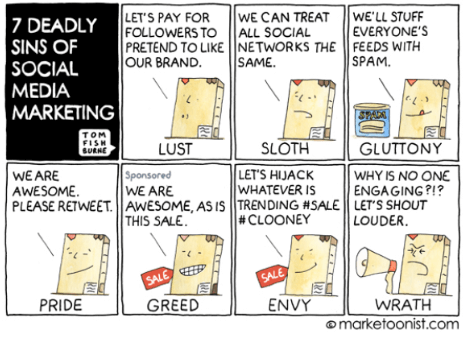
Here are you some tools that can assist you:

Socedo: “Automate Social Media Lead Generation Machine”

Hashtagify: “Find and Analyze Top hashtags.”

Hootsuite: “Manage Multiple Networks and Measure your campaign results.”

Edgar: “Social Media Scheduling Tool That Manages Itself”

Crowdfire: “Grows your audience and build up the brand


2- Video Ads

[quoteability]“Digital advertising is not only pulling dollars from traditional media, but it’s also creating new advertising opportunities at the local and national level.” Stated eMarketer forecasting analyst Martín Utreras.[/quoteability]

According to marketers statistics, “Mobile video consumption is increasing 100% every year, and 30-second mobile video ads have an 88.3% completion rate.”So if you don’t include video ads in your mobile app marketing strategy yet, you need to reconsider!
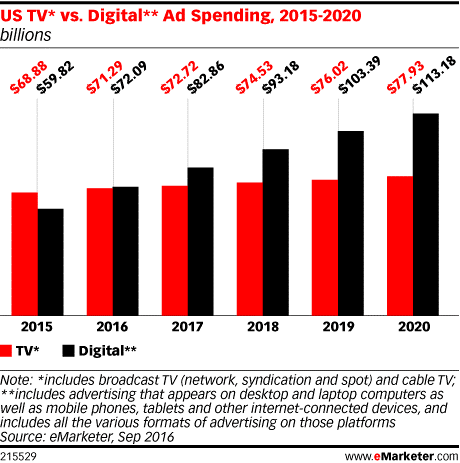
Let’s go through some Video Ads Dos and Don’ts…

The Dos

  • CTA: Never create app video ads without a clear call-to-action! You are here to sell, whether it’s a direct or indirect sales strategy, so always give your audience something to purchase after watching your ad. It could be a subscription, your website link or a landing page.
  • Be Authentic: which app video ads do you remember? The one with a repeated idea or the one that blows your mind with its uniqueness? Before producing the concept written for your app, determine to which of the two above categories does it belong.
  • Tell Stories: You can use your client’s stories, success stories about your app or your app brand story. Sharing this with your audiences’ will create more mobile growth and will enhance your mobile app marketing rates.

The Don’ts

  • Poor Quality: what is a super creative app video ad with fantastic content but with low quality? Don’t waste your effort by doing poor quality production.
  • Don’t Be Outdated: don’t use old elements, old ideas, or old presentations. We are in a fast-growing era where a new trend is being born every day; be up-to-date.
  • Loooong Ad: People have no time, they lose interest quickly. Even if your ad is super attractive, people will not watch an extended advertisement. Mention the most important information about your app in the first 30 seconds and make sure it didn’t exceed a 1-minute maximum.

Tools that can assist you:

Loop Me: “Largest Mobile-first Video Advertising Platform”

Facebook Premium Video Ad Service: “Use Facebook’s Apps and Services to Advertise your App Videos.”

YouTube Mobile Video Ads: “Reach Potential Customers When They Watch or Search for Videos on YouTube”

Interactive: “Developing a Next-Generation Platform for the Programmatic Trading of Mobile Video Ads”

Nanigans: “Ad Automation Software To Manage Our Large, Complex Social And Mobile Ad Campaigns”

3- ASO (App Store Optimization)

Stated by Forrester, “63% of apps are discovered through app store searches, it is the most used method by users for finding and downloading new apps.” you can’t reach high rates of mobile user acquisition without a powerful App Store Optimization strategy, and to be found in the real trick in here, if you manage to utilize ASO discovery strategies, then you got the key to win the game.

The Dos:

  • Stuffed Title: Your title should achieve the heaviest search traffic, insert your most discoverable keywords in your title. But make sure you are not overdoing it and that your title is still attractive enough.
  • Analysis: Always keep an eye on your app store analytics. Frequently analyze your mobile growth insights and outcome, analysis your competitor’s activities, analysis your benchmark’s latest strategies. That will always keep you on the right track.

The Don’ts:

  • Generac Keywords: inserting Generac keywords will lower your discoverability chances and will not allow your app to be rated as it should be. Always go for specific keywords that relate the most to your app.
  • Vague App Description: do not waste your description space in writing something vague about what your app is offering. Your mobile app content description reflects your identity. So make it clear, straight to the point, catchy and informative.

For more check Appgain.io article: ASO Checklist: your 2018 ASO Strategy Guidelines

Tools that can assist you:

AppAnnie: “The Standard In-App Analytics And App Market Data”

Appcodes: “Perform App Store SEO, Track Your Competitors”

sensorTower: “Store Intelligence Products That Improve Visibility, Performance, And Roi.”

Straply: “The ASO Tool to Validate Your App”

App Store Dashboard: “Makes It Simple For Users To Discover, Purchase, And Download Your Apps”

Is this all? No.

[quoteability]Although social media is on the head of the list of the most effective user acquisition channels, It is very costly. Using social media for mobile user acquisition in the U.S. costs $2.32 per install! So an alternative to that is using an email, app cross-promotion, and organic web search.[/quoteability]

They are less costly user acquisition channels; when using the three of them together, you will gather more user growth rates than what social media can generate (20% of effectiveness user growth rate to be precise),  Let’s dive into this great mobile user acquisition strategy.

The most effective yet cheapest mobile app user acquisition channels for your mobile app marketing strategy:

4- Emails

Most of us neglect using email marketing as a major mobile app user acquisition channel, believing that it is not that effective. But you know what? Emails are the most accessible channel in the workplace that can bring you huge user growth rates with an average cost per install …  and effectiveness rate 8.4%! Plus it the cheapest of them all. All that you need to do here is to create an email campaign that is attractive enough for users to purchase. For that purpose, you will find the below chart with the top tips concerning mobile app marketing tactics when using emails to acquire users, followed by our do and don’t.
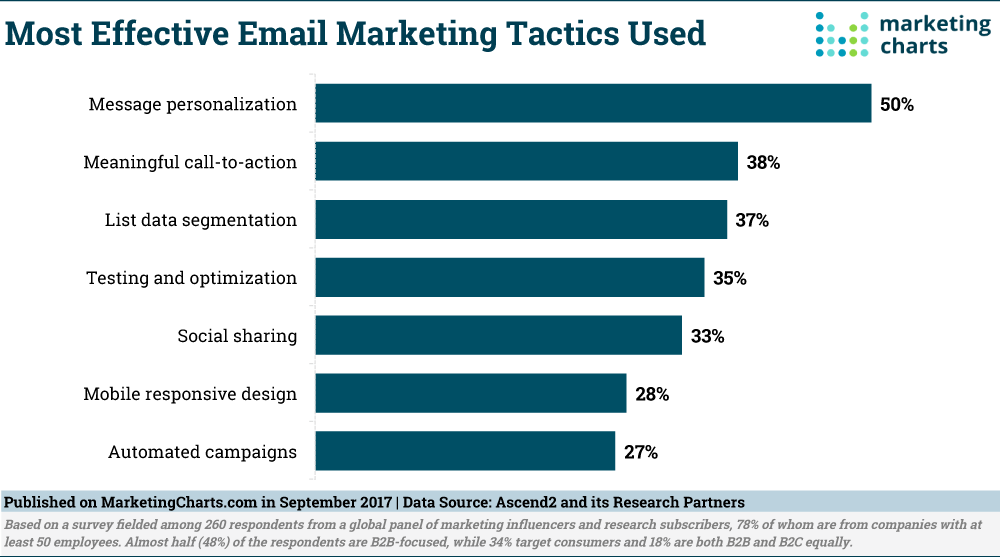
The Dos:

Leave a good first impression: the user’s email inbox is stuffed with lots of advertisements and pitching mails where everybody is trying to sell them something. So you need to create an email template that can stand out. How?

  1. First of all, you need to use a very attractive subject for your email marketing campaign – that is not cheesy.
    Example: it’s the new year, and your app is offering a sort of celebration to generate more user growth rates. Instead of a “happy new year” kind of a subject, what about using “wait for a second! 2017 is not over yet”?
  2. You will need to take good care of your email body.
    Hint: An attractive, up-to-date design with short yet informative one paragraph following with bullet points and a call to action is more than perfect.

The Don’ts:

False promises: it’s not about how attractive the subject or CTA teaser of your email is, it’s all about how much they are trustworthy!

Hint: don’t just type an email title or a teaser where you are promising your app users with the biggest hits in the market when they download your musical app and then disappoint them with very typical old albums! if you aim for boosting your mobile app user acquisition rates, you will need to keep your promises!

Tools that can boost your email marketing campaigns:

Mail Chimp: “Marketing automation for e-commerce apps that send well-designed emails and connect users with your stores.”

Constant Content: “Send great-looking emails that drive big user growth results.”

Appgain.io: “Boosting email campaigns ROI through deep links that shorten the path from email to in-app content and acquire the highest user profiles.”

5- App Cross-promotion

[quoteability]“The power of collaboration” this is exactly what is being utilized in here! App cross-promotions are all about two or more apps/platforms that collaborate together in promoting and selling each other’s products.[/quoteability]

What makes it one of the cheapest mobile app user acquisition channels is that instead of paying you to go for an exchange. You can exchange the audience, functions, and networks. Moreover, it brings you organic reach.

So, for this time, we will replace the do and don’t with the app cross-promotion types.

Types of App Cross Promotion:

Me-Me Cross Promotions: It’s when you use your own multi apps to sell for one another. Just like the below example, many companies own more than one app, and the smartest mobile app marketing strategy for those companies to do is to cross-promoting them all.
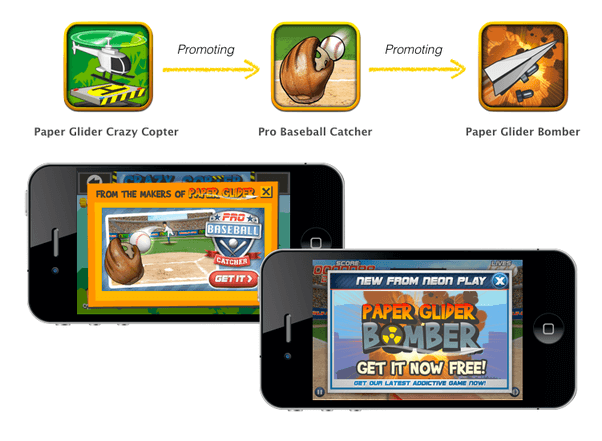
Me-Others Cross Promotions: On the contrary, Me-Others cross-promotions is when you collaborate with other parties to multi generate higher mobile app user acquisition rates. That other party could be a competitor, or it could be in a totally different zone.


Example: Cross-promotion campaign was done by Positionly and Brand24, The first is an SEO tool and the second one is a tool for monitoring performance over the web. They collaborate together and came up with the following newsletter.
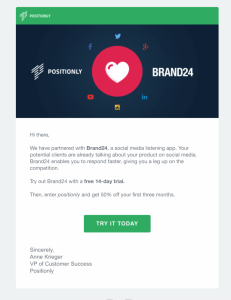
Tools that can assist you:

Tapdaq: “grow apps’ user acquisition rates by trading installs with other apps or by cross-promoting their own network.”

Tappax: ”increase your app users base by exchanging ads with other developers in our community.”

Appgain.io:  “Cross-promote your app with up-to-date deep links, retain the information required to create personalized onboarding, and use special MAT platform for mobile app user acquisition channel tracking.”


6- Web Organic Search (App SEO)

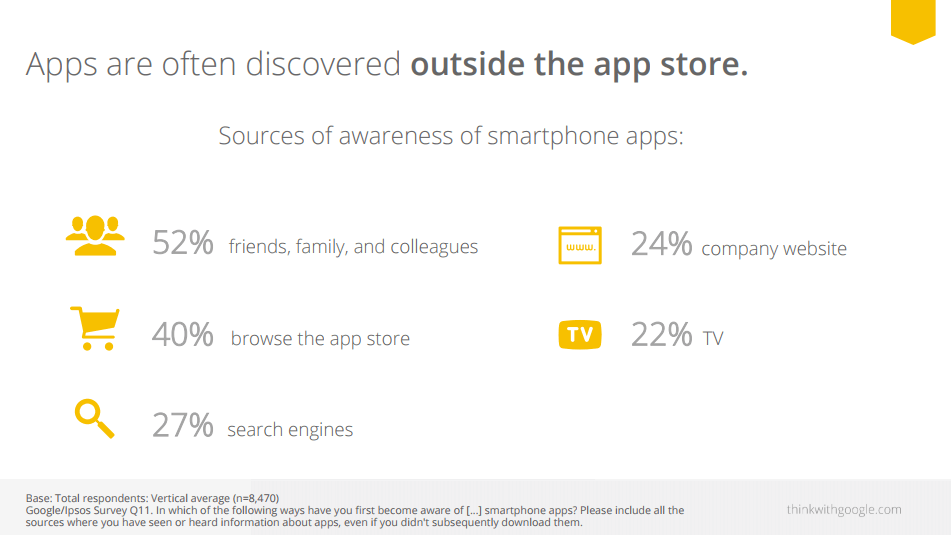
[quoteability]According to Google reports, you have 27% of your total app users who discovered your app through search engines. Accordingly, knowing that the acquiring process is likely to be done away from the app store, your mobile app marketing strategy should pay special attention to an organic web search.[/quoteability]

Nowadays it’s no more about how strong your ASO mobile app user acquisition strategy is, it’s more into your SEO strategy as well. SEO tips are somehow similar to ASO ones. So, besides taking care of the keywords, app title, description, and so on, there are some extra tips and tools for organic web search.
The Dos:

Use High-quality back-links: High-quality back-links are your own affiliate marketers. It’s when you use a link that talks about your app, whether it is your app landing page or your app download page. They are a must when it comes to SEO mobile app marketing. If you need to boost your mobile user acquisition rates through a google search engine using back-links, all that you have to do is to add a URL to your app download page and go spread this URL throughout the web! Here are some tips concerning that:

  1. Influence other websites to talk about your app. Make sure that they are all using that same URL
  2. Cross-promote your download URL, or you can add it to your own app website header.
  3. Bear in mind that the more qualified and trusted links used for a given URL, the more ranks this URL will get and accordingly and the better positioning it will have.
  4. Make sure that your app deep linking is friendly regarding both iOS and android systems.
  5. Build an SEO friendly website for your app; this link will guide you through this: https://www.wikihow.com/Design-a-Website-for-SEO
  6. You will also need to study more about app indexing:  https://searchengineland.com/library/mobile-marketing/app-indexing-deep-links

The Don’ts:

ASO and SEO are not that similar: yes ASO and SEO guidelines are somehow similar, but not all the way long!
For instance, when users search on an app store, they tend to search with very short inquiries such as app category or name. But when it comes to a search engine, users use longer phrases, such as questions or conversational inquiries or even use voice search through Apple Siri or others. So when it comes to choosing keywords to get discovered you need to be aware that app store users search behavior is different from that of the search engine.

SEO Tools that can assist you:

Moz: “Improve Search Rankings. Drive Traffic. Get Customers.”

Deepcrawl: “Make your web presence accessible, relevant and effective ”

Ahrefs: “Tools to grow your search traffic, research your competitors and monitor your niche.”

Appgain.io: “Automatically bring your app content to the web world without building a website, compatible with landing pages technologies for app boosting, content feasibility, and App SEO highest ranks.”

And that was our follow-stop for the first pillar of the AARRR model; mobile user acquisition. Now you know where to find your audience, what the channels to acquire them, what is costly and what is less costly, what mobile app marketing strategies to encounter and what not to, and finally a collection of helpful tools that will definitely help you!

Moving to our second pillar; Activation. wait for appgain.io step-by-step mobile app marketing guide to acquire, engage, and retain users – part 2

Still, got questions? Do not hesitate to reach out and Contact Us! Request Demo now.

 

Request Demo

ASO Common Mistakes And How To Avoid Them

The world is digitizing rapidly, so going online is no longer an option nor merit. Because whatever your business is, there’re competitors, so what to do? 

You’re probably familiar with the term SEO or Search Engine Optimization. SEO certainly provides some impressive results, but what is also super achieving is the Apps version of it. App Store Optimization, or what we call ASO.


What is App Store optimization?

App Store Optimization, or ASO, is the science of improving the performance of the App Store menu. It’s basically about applying the scientific method to mobile key performance indicators (KPIs) associated with app stores.


ASO’s three main aspects:

  • Improved conversion rate
  • Improve keywords/improve detectability
  • Measurement


ASO’s key performance indicators usually are:

  • Number and quality of installation
  • Number of App Store appearances and grade
  • App Store Conversion Rates

These three indicators are the heart of ASO. Each has evolved into its specialty and practice.


Why is ASO So Important For Your App?

  1. Getting ASO right gives companies an additional advantage. There are about 2 million apps in the Apple App Store and more on Google Play, with new apps added daily. And a large number of mobile apps, both in gaming and non-gaming, is decreasing, which can harden the challenge for many apps.

And since paid UA (user acquisition) is not a magic bullet for success, understanding users and their motivation to install an app or game is essential. Without it, any paid UA can generate short-term success with no sign of loyalty or sustainability. 

On the other hand, companies that get UA appropriately for their apps are the only companies with a real competitive advantage in app stores. And yes, by proper UA we mean ASO.


  1. App stores have become the only place to get the distribution feature.

App stores are full of great games and apps that haven’t got more than a few thousand installations. The problem of competition in app stores today is redoubled.

It’s not about the app.

With the continuous rise in the value of producing apps, it has become difficult to discern your product in terms of usability only – by improving the user experience/user interface. A competitor may always show up with a good enough job of creating a viable alternative.


It’s also not about UA.

If the product itself is not unique enough to succeed based on its advantages, many companies resort to the UA experience as a differentiator. 

Read here, 7 Challenges that face e-commerce stores.


So yes, it’s mainly about App Store Optimization! 

App Store Optimization (ASO) is undoubtedly the new trend to improve access to applications in the spotlight. Enhancing the App Store performance is one of the most effective and ignored marketing strategies for mobile app developers.


Forrester reports indicating that 63% of apps are discovered through searches in the App Store. According to the latest trends, users tend to search mobile apps using keywords. At this point, ASO will direct users to your product and make it stand out.

Get to know more about ASO and its Importance to mobile marketing


Common Mistakes In App Store Optimization

Understanding ASO and knowing how to apply it is only the beginning. There can be many mistakes and pitfalls that one must watch to achieve better results.


Not using keywords in the app name, subtitle, or short description

This, by far, is the most common and destructive error. Apple and Google put a lot of weight on keywords that appear in the name and subtitle/short description of apps.

Some developers like to keep their apps “clean” and use only the subtitle. This means that the search algorithms won’t have anything to go through, so they will only show your app when you search by name, failing the chance of organic downloads.


Fix this clear and straightforward – once you select the keywords you want to improve, use them in both name and subtitle.


Not enhancing your keywords list

Using only branded keywords is another common app store optimization mistake, if you do not use non-trademark keywords, you will lose loads of potential traffic. Branded keywords contain brand names like Adidas training, Verv, and Google fit. Non-branded or general keywords are search queries without a company name, for example, fitness, weight loss, exercise, etc.

Knowing how to optimize or improve your keywords is not that hard. For example, App Store Connect has a keyword inventory where you can enter keywords to help Apple’s algorithm figure out keywords relevant to your app. Apple gives priority to keywords from the menu, so not taking advantage of these improvements means you’re missing possible downloads.


Going with a non-optimized long description

Unlike Apple, Google doesn’t give developers an easy way to advertise a keyword menu. Instead, Google reads directly from the app name, short description, and long description.

Google’s algorithm determines what your app does by reading its long description and searching for the most frequent words. So, a good organic description should repeat the words that describe the app’s features frequently and use strong industry keywords.


Judging the keywords before using them

Keywords are the cornerstone of a good ASO. Some keywords you may think are relevant and use but end up discovering those keywords don’t get enough traffic or are too competitive.


To avoid this common app store optimization pitfall, you should evaluate your keywords before using them. There are two things you should look for: 

  • Keywords that get search traffic: look at the degree of popularity of keywords and take the keywords with the highest popularity.
  • Keywords in which the best results get a similar number of ratings to your application


Optimizing only once

Some developers search for keywords and enhance, but only once. For some, the first app store optimization can work and enhance the app download, but mainly, ASO is an iterative practice. It needs frequency to maintain success. 


Not watching competitors

Another way to stay on top of the erratic search trends is to keep an eye on your competitors. Your competitors will most likely iterate and experiment with optimizing their app store, giving you new ideas and keywords to optimize yours.

Following your competitors gives you an idea of what works for them and what doesn’t, so you can learn faster and get new ideas for your applications.


App Store Optimization can be a bit tricky. That’s why it needs an expert or a savvy mobile marketing tool! 

You can benefit from Appgain.io ASO and other mobile app marketing features by requesting a demo.

RequestDemo

The Exceptional Value Of SMS Marketing

Did you know that the average person checks their phones more than 100 times/day? 71% of people check their phones within 10 minutes from waking up, so wouldn’t you want your content to be there when they check! If yes, then SMS marketing is a very suitable option.

Whether your messages aim to advertise for your business, announce specific offers, or draw attention to a specific product, you can guarantee that they’ll reach much more than your content on any other platform.


SMS Marketing

According to reports, 97% of all text messages are read within 5 minutes, so SMS is the fastest way to reach the customer and ensure that they read your message without delay. 

Swiftness ​​is one of the most significant features of SMS marketing. With just a click of a button, you can send your marketing message to many users, unlike many other marketing methods that require a lot of advanced preparation, time, and effort.


Check Text Messages Marketing for more.

Reach Most Of Your Audience At Once

The SMS system allows reaching a large number of users at one time, it takes a marketing expert to choose the recipients of your messages accurately, as SMS marketing is not about reaching a large number in general but reaching the maximum number of potential customers specifically.


Follow up on reactions to your marketing messages

One of the best features of SMS is knowing the reaction to your messages. Was it interesting? Who opened it? How many users did you reach exactly? Accurate monitoring keeps you informed of your marketing performance using SMS, which helps you continuously evolve.


Benefits of SMS Marketing In A Nutshell

Sending professional marketing SMS can build a strong link between you and customers. It’s a great way to always communicate with your customers, which is one of the most influential marketing pursuits.


  •  Gain extra clients:

The more professional and sufficient your messages are, the greater the interaction with your brand.


  • Save Money:

Text messages are considered one of the least expensive marketing methods, as they are an economical method compared to their results and effectiveness. 


  • Target a specific audience:

SMS marketing allows you to target a specific group with a specific geographic scope, type, or age, and through activities as well.


Tips to take benefit from SMS marketing

SMS campaigns need some things to make them run typically and be successful. Here are some tips to make the most advantage of SMS as follows:


1- Know the target customer segment well to measure your success rate for your target customers.

2- Pay attention to writing clear messages to achieve the main point clearly, considering the limited number of characters. It is 70 characters in Arabic and 160 characters in English.


3- Include a link to your app or website, such as click here, to convert users to your principal platform. 


4- Use an adequate SMS marketing tool or subscribe with Appgain.io to boost your business with a powerful customer engagement platform..


Essential practices to follow before launching SMS campaigns

  1. Ensure that customers have subscribed to SMS services

Text messages are very effective, but only if you consider particular rules. The most fundamental rule of SMS marketing strategy is to get permission from your contacts to send messages to them. SMS has a high reception and response rate, but this will not help if the user is not interested in receiving these messages. Plus, most countries require the consent of the customer.


  1. Verify that the phone numbers are correct

Before starting an SMS campaign, make sure that the customer data you have stored is correct, such as the accuracy of the number, type of carrier, and type of line. This is necessary to avoid wasting resources. The most common mistakes made are sending messages to wrong or disconnected phone numbers due to phone number bypassed validation.


  1. Write clear and direct messages

SMS allows you to write up to 160 characters in English, and only 70 characters in Arabic. The challenge here is to be expressive and make the message clear, concise, and written in explicit language based on your target audience. Avoid emojis and acronyms, and avoid using open-ended messages. Open-ended messages are those that do not provide complete information to the customer, leaving him in a state of distraction. For example, you might invite the customer to a sales season without mentioning when the offers will end. If it is an open message.


The entire SMS sending and monitoring process can easily be automated with Appgain.io SMS marketing tools.


  1. Include a user call to action CTA

The main goal of SMS marketing is customer engagement, messages that contain a clear call to action that the user reads, interacts with, and acts upon.


  1. Catch the right timing

Take your SMS marketing to the extreme by knowing the best time to send a specific message to a specific group of users, as ultra-accurate targeting can be done by segmenting users based on their geographic location, spoken language, and working hours. Avoid sending messages too early in the morning or late at night, as this reduces the chance of a response.


  1. Put your company name

Most business owners send text messages with an abbreviation that resembles their company, which means that the target contacts may not be aware of who is sending the messages, so put the name of the company first to make sure that your customers recognize you.


SMS Integration

Appgain has an integration with Twilio to grant you easy and flexible SMS automation options and ensure you use our SMS Marketing service to the max! 

And there are many other SMS Marketing programs and sites, like: 

  • Klaviyo
  • SMS Misr
  • Postscript
  • Attentive
  • SMS Bump (Yotpo)
  • Emotive
  • TextMagic
  • ClickSend
  • SimpleTexting
  • Avocato
  • SlickText

To enjoy our SMS Marketing you can request a demo.

RequestDemo

LimeTray Vs Appgain

Nowadays one of the most successful businesses is restaurants.

This is due to the new culture of experiencing new and different food from all the cultures.

Surprisingly, the more unique and unfamiliar food service the more your business is successful. But is all you need to make a successful restaurant is a food? Sure not.

Marketing solutions have to be on the top list of your to-do list of making your business. Mobile marketing solutions will definitely help

Let’s talk a little about marketing solutions, especially mobile marketing solutions as it’s the era of the mobile phone.

In brief, mobile marketing solutions will allow you to reach your customers and target them in a better way and let you retain your current customers.

How you can do that?

First of all, you need a website and mobile application to help you target your customers and retain them. After, you need a company to work well on your website. Here it comes Appgain.io rule.
There are many companies that provide mobile marketing solutions, but why Appgain is different?
Let’s make a comparison between LimeTray and Appgain.io!

Feature

Appgain

LimeTray

Web push/App push notifications :white_check_mark: :white_check_mark:
Email :white_check_mark: :white_check_mark:
SMS
:white_check_mark: :white_check_mark:
Integration with your POS :white_check_mark: :white_check_mark:
Social media re-targeting :white_check_mark: :x:
QR Marketing :white_check_mark: :x:
Customer Analytics :white_check_mark: :white_check_mark:
Mobile Payment :white_check_mark: :x:
Mobile landing pages :white_check_mark: :x:

See, Appgain is using a smarter retargeting solution than LimeTray.

It is helping much more in targeting the customer like the QR code. Once the customer scans the QR code of your business he will enter the cycle of targeting. By the pixel, you get when the customer scans your QR you can send him a message or send him a push notification which will surely help much in the retain the customer.

Still, got questions? Do not hesitate to reach out and Contact Us!


RequestDemo

Appgain Graduates from VC4A Mentor-Driven Capital Program Egypt 2022

Mohamed Shaheen, the CEO of Appgain, a mobile app marketing platform, has successfully graduated from the VC4A Mentor-Driven Capital Program Egypt 2022. This is a significant achievement for both Mohamed and Appgain,
as the program is designed to help entrepreneurs in emerging markets to develop their businesses and access funding opportunities.

The VC4A Mentor-Driven Capital Program is a four-month program that provides selected entrepreneurs
with access to a network of experienced mentors, who guide them through the process of building a successful business.

The program also offers workshops, training sessions, and networking opportunities, as well as access to potential investors.

“I am grateful for the opportunity to participate in the VC4A Mentor-Driven Capital Program,” said Mohamed Shaheen.
“The program provided us with invaluable guidance and support,
which has helped us to refine our business model and develop a strong investor pitch.

We are now better equipped to scale our business and access the funding we need to grow.”

‘Mentor-driven capital’ is one of VC4A’s approaches to creating value for startup ecosystems around the world. It’s about finding and supporting motivated and experienced mentors – like you –  to share the knowledge, experience, and network that you’ve acquired over your career with promising entrepreneurs. As you support your mentee on his/her entrepreneurial journey, you get keen insights into the local startup ecosystem and, and hone your own mentoring, business & leadership skills.

The goal of this program is to boost your ability as a high-powered mentor through the Mentor-Driven Capital framework we’ve developed.

You and the selected fellow business leaders will receive expert guidance, training, and hands-on support around mentoring, and join interactive sessions on topics like corporate partnership building and angel investing. Previous cohorts hosted expert-led sessions by experienced angel investors such as Tarek El-Kady, founder of Alex Angels, Dr. Ayman Ismail, associate professor of entrepreneurship at the American University of Cairo, and Dr. Loay El-Shawarby, principal at El-Shawarby Attorneys among others.

New Appgain Pricing

As everything in the world is experiencing some economic influence, SaaS is also affected! Software services and solutions are continuously updated. Thus, they get influenced by global events easily, and so are Appgain products!

Why Are SaaS Prices Increasing?  

As previously mentioned, just like other businesses, upholding high quality and continuing to grow comes on top priority. While clients usually purchase SaaS tools in monthly/annual bundles, the more value they provide, the more it’s logical to justify price increases, which experts believe the industry will start seeing annually in the SaaS world. 

So when Appgain updates its pricing plan, it’s happening while considering our client’s most pleasing benefit.   

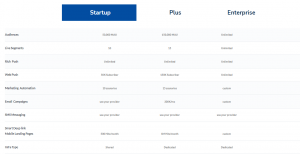
appgain SDK packages - pricing plan

Appgain Pricing Plans

We had to review our pricing strategy considering the latest global events, which affected the whole market. Yet, we want to ensure providing our customers with optimum value, so we made updates on our bundles and announced Appgain’s Shopify App as our top priority at the moment.
And to sustain our premium services and develop more solutions for you, we have decided on the following:
– There won’t be an Appgain.io Free Plan anymore.
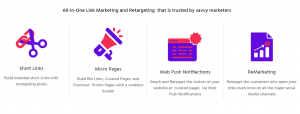
– Launching Appgain.io Micro product for digital marketers, Shrinkit.me, a URL Shortener, Curated Pages and Retargeting Platform for digital marketers and e-commerce businesses, with associated Shopify App we are increasing the subscription fees.

shrinkit link shortner - appgain pricing

How Do You Benefit From This Price Increasing?

Our updates aim to provide all our clients with the best possible value for their money, so our new plans also mean that Appgain will have even more perks for boosting your business as follows:
1- Leading to more business growth
2- Increasing your sales via more features
3- Enhancing the customers’ journey on your platform
4- Developing sufficient loyalty programs to keep your customers engaged

Must Remember
Increasing prices is not necessarily a negative thing or a bad omen! It actually shows that you’re receiving better quality, updated software, and more features with real ROI.
As the SaaS world is more about value than price!

Still didn’t try Appgain? Request your demo now:

RequestDemo

Appgain Product Update V8 & Shopify Integration

We’re thrilled to announce our first Shopify integration, providing you with many beneficial features for your E-commerce business.

First Appgain.io Shopify App

Appgain’s first Shopify App links your mobile app with your web Shopify store, boosting your business through the following features:

  • WEB2APP: Bring web visitors into your app.
  • Offer mobile-app-only discounts for users converted from the web to mobile app users.
  • Send Deep linked Push Notifications to drive the users to a specific collection or the product page.
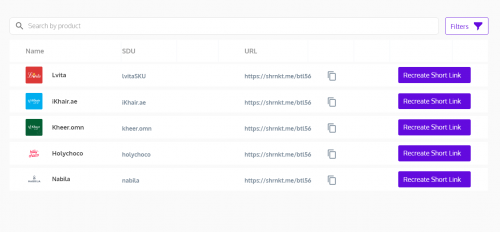
  • Sync Shopify Products with Appgain App Deep links.
  • Creating Short and Retargeting Links for each Shopify  Product.
  • Automatically map the URLs of your Shopify products to Smart Deep Links to direct the users to the mobile app, even if they don’t have the app.

Now Available in Private mode only

shopify app integration


New Appgain Flutter SDK

  • You can now install Appgain SDK at your flutter App in a few minutes with the Appgain public pub.dev module. 


Shopify integration and Appgain flutter

Marketing AutomationBulk Mode and UI rework

The support of our platform for mobile Apps is growing as your user base grows. We have rewritten our marketing automation invocations to process users in arrays for bulk actions rather than one by one processing as a reaction to our client’s demands.

And for better results, we have redesigned and redeveloped the UI of our marketing automation scenario composer to be effortless and efficient.

Smart Deep Links- MultiCustom Domains

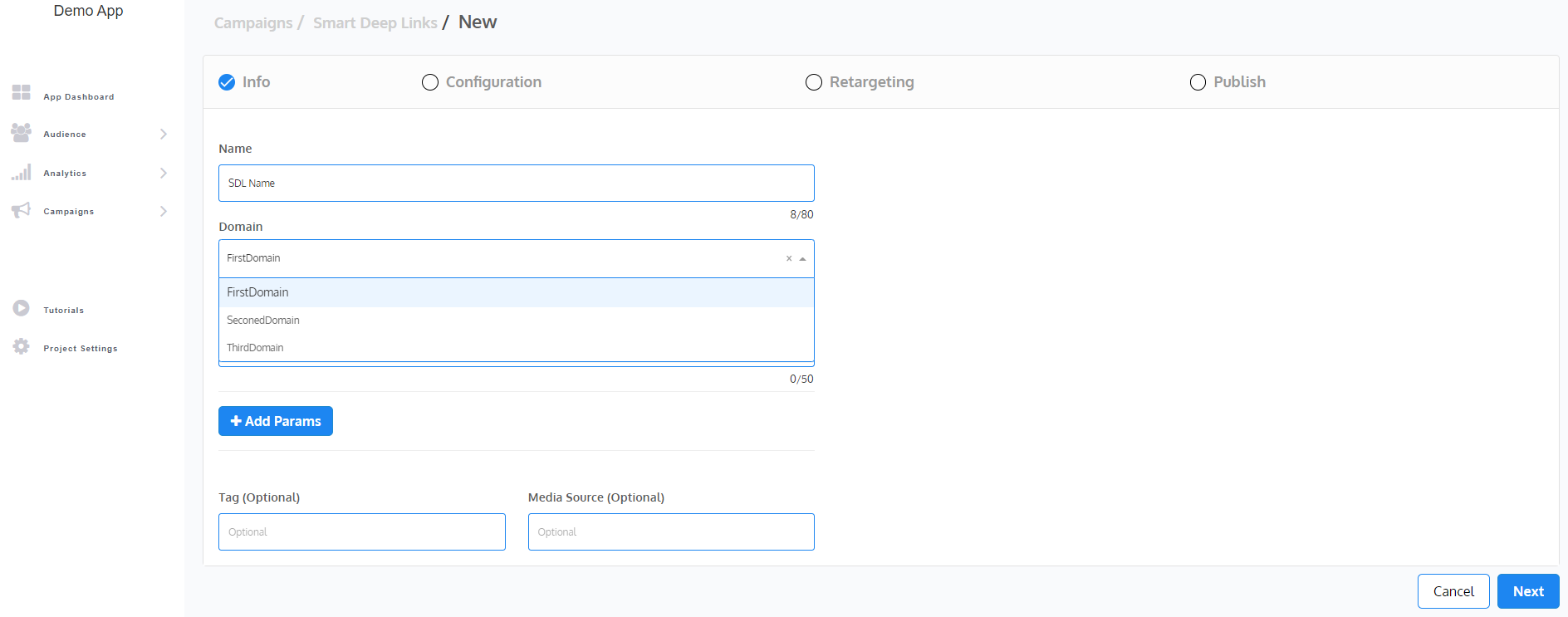
Our Smart Deep Link is an Appgain Short and Pixel retargeting ready linking product. As a result, Appgain.io Smart Deep Links can now be attached to multiple custom domains. So if you have various brands or several brand names, you can use the same Appgain Project to handle its short links.

smart deep links & Shopify integration

Still haven’t tried Appgain? Request your demo now:

Retail marketing, doing it right, Or losing money?


As a retailer, you know how hard it’s to craft a retail marketing strategy and how to keep your customers coming back to your store, people spend millions of dollars on retail marketing ideas, but they tend to be broad, not targeted and not measurable.

So retailers needed to come up with something more productive, measurable and not spammy, a new retail marketing solution that would help change how retailers approach their customers, so they developed “Retargeting”!

We’re going to explain to you in this blog:

  • What’s retargeting?
  • How can it help you as a retailer?
  • Why should you invest in retargeting?
  • Why mobile marketing is harder and how to work around it
  • Other types of remarketing
  • How to  personalize retargeting
  • Are Retargeting and Remarketing the Same Thing?
    And much more!

What’s Retargeting for retailers?

In simple terms, Retargeting is following or tracking your user’s journey in your space whether it’s a retail store or an online shop, to know what is he interested in

If he didn’t convert, you show him ads about your product, and if he converted you show him either similar criteria or other products that might grab his attention!

Because retailers will always be retailers and retail marketing strategy would be the same offline and online, people don’t know they need that sparky thing until you show it to them!

That’s why retargeting effective in case:

  • your customer purchased your product that way you make him want to buy more,
  • or he didn’t convert that way you encourage him to complete the purchase; then you show him other exciting things to get his attention


retail_marketing

So retargeting is all about targeting the right audience, relevant people!

That’s why retailers marketers are putting more researches and development.

retail digital marketing is a developing subject that always generates marketing ideas for retail stores

Why should you use retargeting?

As I’ve shown, retargeting has been a successful retail marketing strategy that works, but we wanted to be clear about why retargeting is helpful for you!

  • First of all, retargeting helps to grow your brand when people search for let’s say a coffee machine, and they visit your website but don’t buy.

They see your brand when they’re surfing the internet or their favorite social media; you pop up to them letting them know you’re what they’re looking for!

  • Secondly, you probably don’t land the first sell right out of the bat right? That’s why retargeting is an excellent second opportunity for you to make up for the missed revenue that you missed the first time!

Are Retargeting and Remarketing the Same Thing?

Simply no, but the main difference is that retargeting is mostly about serving ads to potential customers based on cookies while remarketing is usually based on email.

  • Remarketing works by collecting the information of users and creating lists, which are used later to send sales emails.
  • Retargeting and remarketing are both effective methods in their own right, yet a combination of both may be the best strategy to boost your digital marketing activity and improve your bottom line

retail_markting

But what’s the key difference?

Well, they are both retail marketing strategy, but the main difference is that retargeting is more about tracking your user with a tracking code like Google tag manager, or Facebook pixel and retarget them with a product that they might want or a genre of products that they might interest him.

And remarketing is more of an Email type of marketing, like cold emailing, but the customer isn’t cold.

He’s warm, and your sales guys reach out to him with an email to know why didn’t he buy or is he interested or not?

But I’m more of the person who probably names them the same thing, so Let’s consider them as one thing shall we!

Retargeting on mobile

Well, mobile retargeting isn’t an easy thing, because while you can track people with cookies and google tag manager easily on the desktop.

It’s what every site do because every website uses cookies nowadays, but on mobile, it’s not as easy as just putting a cookie, because they usually don’t use a browser to do things!

Because everyone uses native application for more straightforward navigation on your smartphone and not their browsers!

retailer remarketing

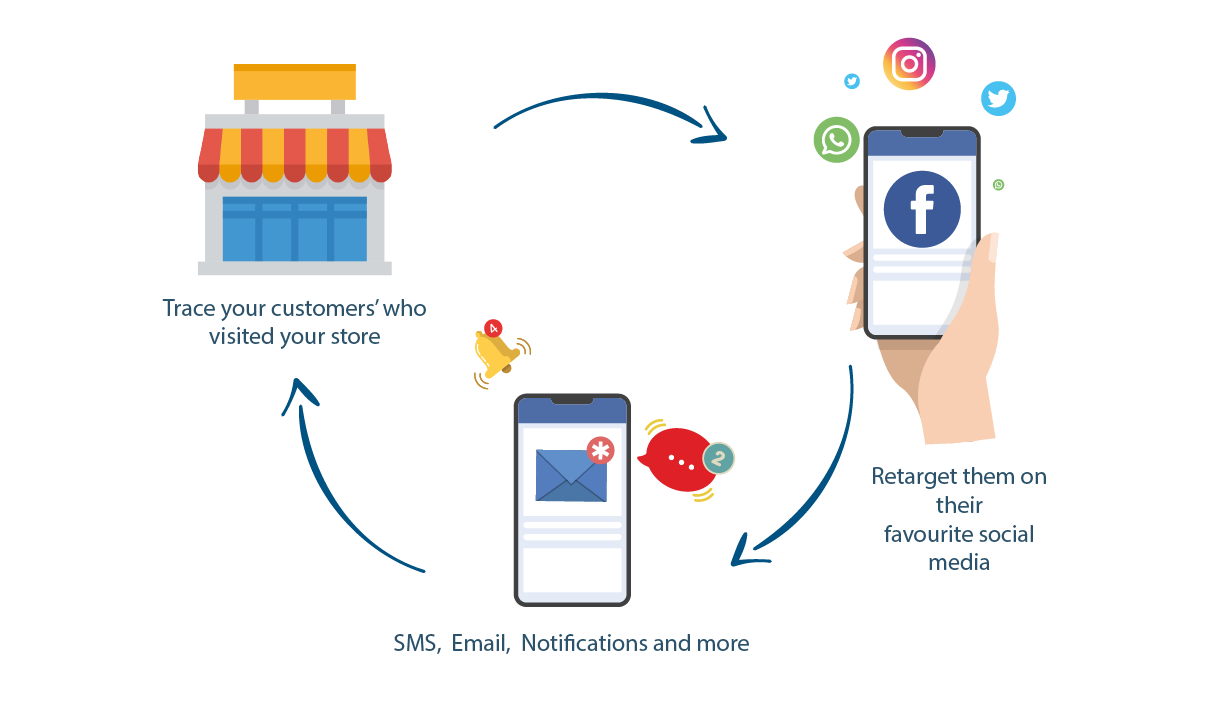
But everything has a workaround, and retailers know that well, so the retail marketing solution providers made a workaround that would let retailers retarget without an app.

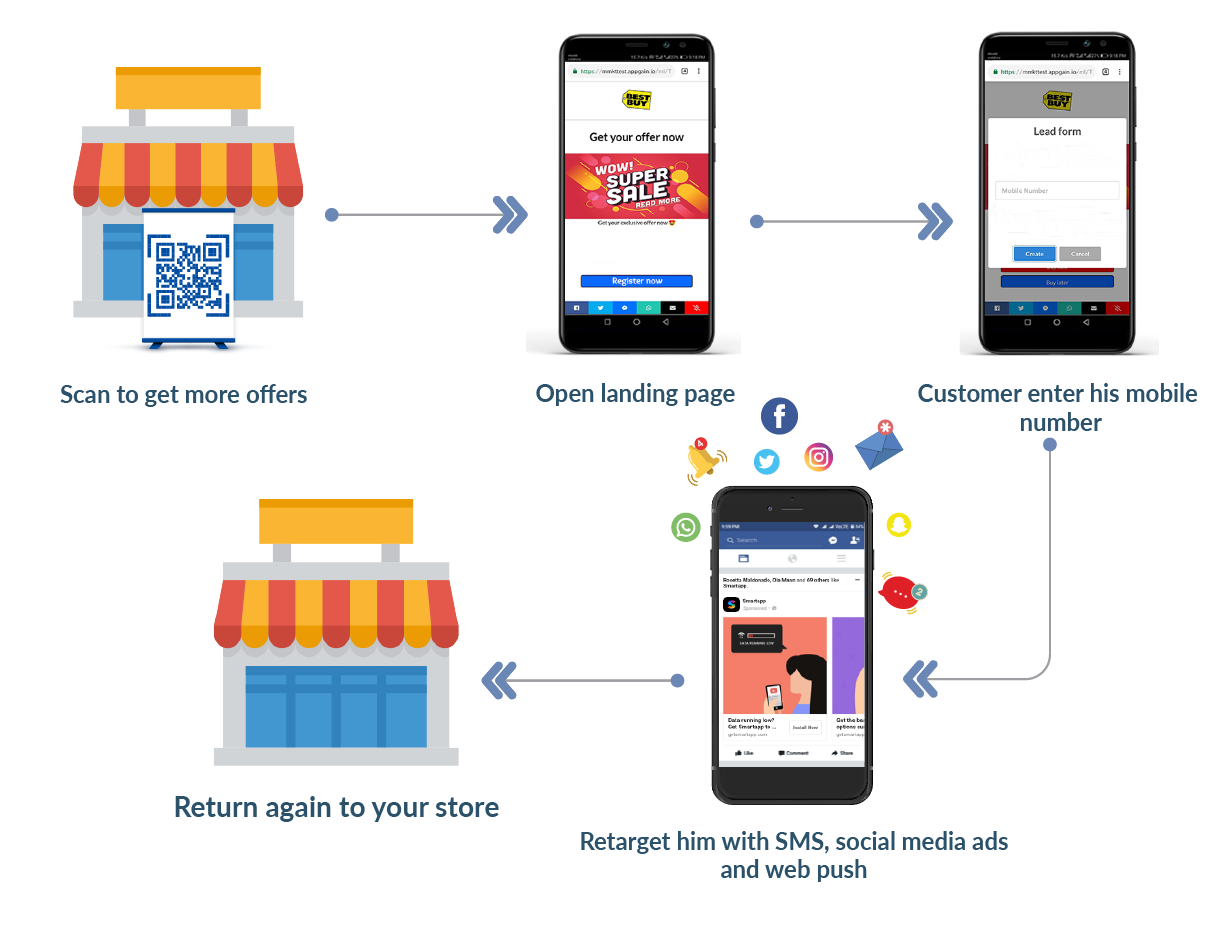
  • A customer sees an in-store at your retail store with a QR code in it.
  • He scans and opens the offer landing page.
  • Within the landing page, you put the tracking code like GTM or facebook pixel.
  • And just like that, you retarget your in-store customer online to drive them back to your store!

And that’s only one scenario of retail digital marketing on mobile!

What about other retargeting channels?

Today, there are many retail marketing campaigns on different digital channels to reach an audience. Each of them has various advantages and disadvantages.

If you can harmoniously combine your audience research efforts with targeting for these channels, you are going to be more likely to reap the rewards for your work.

Today, some of the marketing automation platforms can either integrate with others or outright include all the steps of your remarketing journey in their toolkit. Make sure you are using one of those.

If, however, you want to facilitate this coordination manually, make sure you do your work very thoroughly so things will not get “lost in translation.” Also, know that you will spend lots of effort, time, and hence money in getting this right.

All have their specific pros/cons. App push notifications, for example, have some of the highest engagement and conversion rates, but they require an app to be installed on the targeted users’ device beforehand. Web push notifications, however, does not have this requirement and can work even on desktop/laptop computers.

Another thing to take care of is that you should avoid retargeting the same person on lots of channels at the same time. Choose the best one fitting for their case, and stick with it. Contacting the same person on five different channels is a textbook definition of spam.

Finally, no need to feel like all your retargeting needs to be through digital channels. You can use offline, physical media too. Let’s say that your audience frequents a particular venue. Why not print some stickers with QR codes of your campaign, along with an attractive offer on them?

Retargeting the right audience!

It is easy to retarget anyone and everyone who has ever been in your retail marketing audience. It may or may not work for every one of them. But hopefully, some of them will be interested, right?

While that is true, this approach also leads to increased marketing costs, as well as the risk of being seen spammy by the people you retarget.

A smarter approach will be to pick those who are interested in the campaign but didn’t go ahead with it yet.

Other examples of good retargeting audiences can be:

  • People who have registered an account on your campaign’s site, but haven’t started using it.
  • People who filled a shopping cart but abandoned it.
  • People who were interested in similar campaigns/products before.
  • Finally, people who are using or have used competitors.

This way, you will be able to target people who are likely to be interested in what you have to say them. The conversion rates of your retargeting efforts will be much higher this way.

Another side to choosing the right audience for retargeting is that just going shotgun on selecting people to retarget can, and often does result in some damage on the brand identity. None of us enjoy it when it is like “oh, great, another random marketing message pestering me for something I am not too interested in.”

How to approach your customers?!

Something to the effect of “pssst! Why haven’t you still bought this cool thing yet?! You know you want it!” may not necessarily be the best way to go.

We are, after all, end users too, be honest and ask yourself, what do you usually do with those?

It tends to go like:
“Mmm… yeah, right…” (clicks delete).

We need to put the smart in smart retargeting. Do a bit of due diligence and find out a few reasons why the users who were on the line decided not to go past it. Construct your messages with that information. Play on what they liked, reassure them against what they may not have wanted.

Having composed a single message is too old-school. Make sure that you at least have a few that you crafted for each persona.

If you can get the user to feel like they are addressed in person, rather than as a part of a mailing list, your chances of persuading them will be much, much higher.

Make sure the message is engaging, and persuade them that you are selling a solution or something that they desire, and not just trying to move more copies out of your stock, and more dollars out of their pockets.

Retail retargeting

So you must be thinking now as a retailer, now I have the information I have to start retargeting, how do I set it up in motion? What is the retail marketing plan that you would follow to ensure smooth retargeting?

Well, you as a retailer your main focus would be on bringing back your customers to your store, one of the in-store promotion ideas is

  • Create an offer’s landing page and setup GTM and Facebook Pixel in it
  • Capture your customers’ online presence as ID, that way you could retarget them
  • Start showing your visitors relevant ads to your product

And now you wait for them to naturally convert after they’ve seen your Ads on their favorite social media.

And while Tracking codes are the most popular retargeting retail marketing technique out there’re also Retargeting but notifications

  • Like the steps above you direct your user to a landing page
  • But this time to invite him to subscribe to your notification
  • And then you target him without any app via web push notifications!
  • Get creative with your notifications, use emojis, and limited offers for your notifications subscribers to encourage them to buy!

Conclusion

So as a conclusion to this article, we hope that you’ve answered all of your questions about Retail marketing, and their strategy.

Because as a retailer you must think about your customer and what they want, and what the best way to reach them, not about how to spam them with your products!

Retargeting is more of a strategy for retail, retargeting isn’t a linear equation that you would put, and it’ll start working, it’s more about how do you manage your different kinds of retail strategies!

Is mobile the new way of remarketing? Because everyone has a smartphone now, and we’re migrating from just Desktop computers to smartphones.

What’s the workaround if you’re not a retailer with an app or you need to implement another remarketing way that’s less complex and easier to manage.

What to look for when you want to get your remarketing going through a 3rd app platform, how to choose the right one?

And why in the first place do you go with remarketing and not just the regular marketing campaign, what are the differences that make you more of a remarketing guy after of course doing marketing, but not wasting your money on it

Still, got questions? Do not hesitate to reach out and Contact Us! Request Demo now.

RequestDemo